




Three hours into a full day on the water, no shade, sun hammering down, water throwing it right back, and the wrong shirt stops being uncomfortable and starts being a problem. Sticky, heavy, hot. The kind of misery that creeps up until it's all you can think about instead of the fish in front of you.
Bad apparel doesn't just make you uncomfortable; it shortens your day, kills your focus, and costs you fish. What you wear out there matters as much as what's in your tackle box.
What You Need at a Glance
|
Item |
Purpose |
What to Look For |
|
Base Layer |
Moisture management, comfort |
Quick-dry, breathable, UPF-rated |
|
Middle Layer |
Sun protection, temperature regulation |
UPF 30+, lightweight, hooded |
|
Outer Layer |
Wind and rain resistance |
Windproof, water-resistant, packable |
|
Hat |
Face and eye protection |
Moisture-wicking sweatband, full coverage |
|
Neck Gaiter |
Sun and wind protection |
Breathable, versatile fit |
|
Socks |
Foot comfort, blister prevention |
Moisture-wicking, lightweight |
The gear you choose for each of these categories is what separates a productive day from one spent managing discomfort. Here's how to get each one right.
1. Build Your Layers Right
Most anglers think in two categories: warm weather and cold weather. The better framework is layers, what you're wearing against your skin, what's protecting you from the sun, and what's standing between you and the weather. Get each one right, and you can fish through almost anything.
Base Layer: The One Doing the Dirty Work
Here's what most fishing apparel guides won't tell you: in hot weather, the best base layer is no base layer. Adding a layer when it's already hot just traps heat, the opposite of what you need on the water.
When it's cold enough to warrant one, wool is the honest answer. It regulates temperature better than synthetics, manages moisture without holding odor, and keeps you warm even when it gets damp. ANETIK's pieces are designed to go on top, lightweight enough to layer over a wool base without trapping heat, and breathable enough to let air move through the system. That's the combination that actually works across a long day in changing conditions.
Middle Layer: Sun Protection You Don't Have to Think About
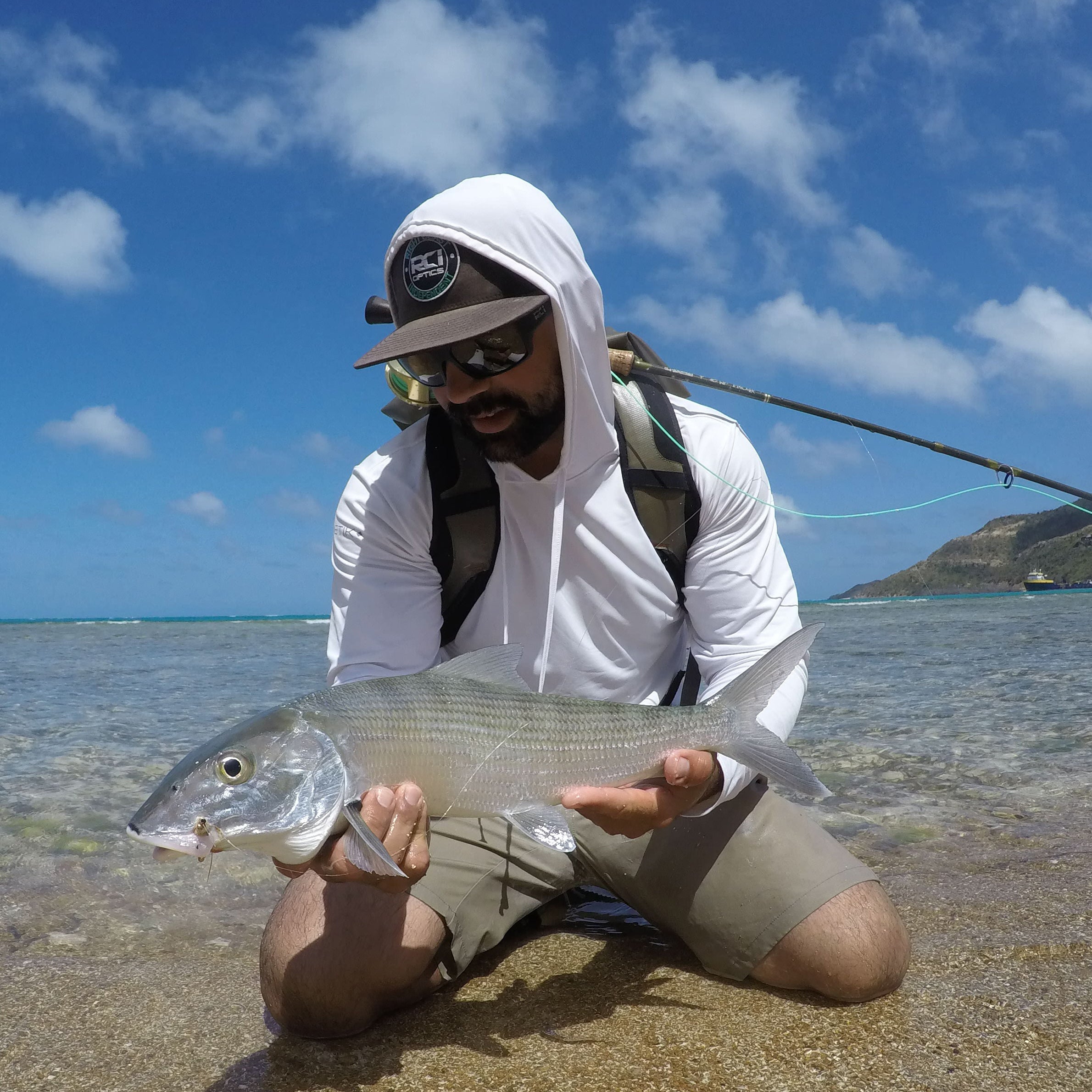
A UPF-rated long sleeve is the layer most anglers underestimate until they skip it once. Our Ultraguide Hooded carries UPF 30+ protection built directly into the fabric, not a coating, not a chemical treatment, with a hooded cut that covers your neck and face without any extra effort. Lightweight enough that you forget it's there until you're grateful it is. On open water, that kind of set-it-and-forget-it protection is worth more than you'd think.
Outer Layer: When the Weather Has Other Plans
Conditions on the water change without warning. Our Mirage Ultralight Shell is windproof, water-resistant, and packable enough to stuff into your bag when the sun comes back out. It's not the layer you'll always reach for, but when a squall rolls in mid-afternoon or the wind picks up on the way back to the ramp, it's the one that keeps you fishing instead of heading in early.
2. The Accessories That Actually Matter
Nobody thinks hard about accessories until they're standing in full sun at 1 pm, wishing they had. On the water, these aren't extras, they're the details that determine whether you fish through the afternoon or call it early.
- Headwear: our Bluewater Trucker covers your face, ears, and neck while keeping sweat out of your eyes. Put it on in the morning and forget about it.
- Neck Gaiter: our Mission Shade Mask protects your face and neck from wind and sun, with enough versatility to wear a few different ways depending on conditions. Long hours on the water mean long hours of exposure; this is what bridges the gap.
- Socks: overlooked every time. Our Mission Shade Socks wick moisture and hold up through a full day on the water. Wet, blistered feet end trips early. Don't let that be the reason.
Taken together, these are the pieces most anglers wish they'd packed before they learned why they needed them.

3. Dressing for the Season
Once your layers are dialed in, the next variable is the weather itself.
Warm Weather
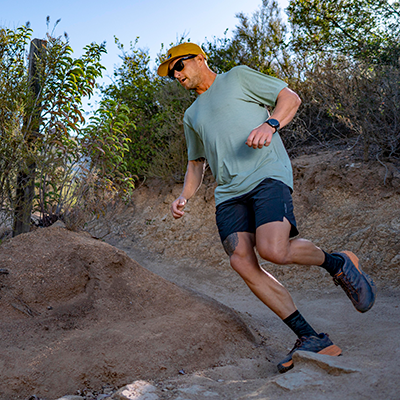
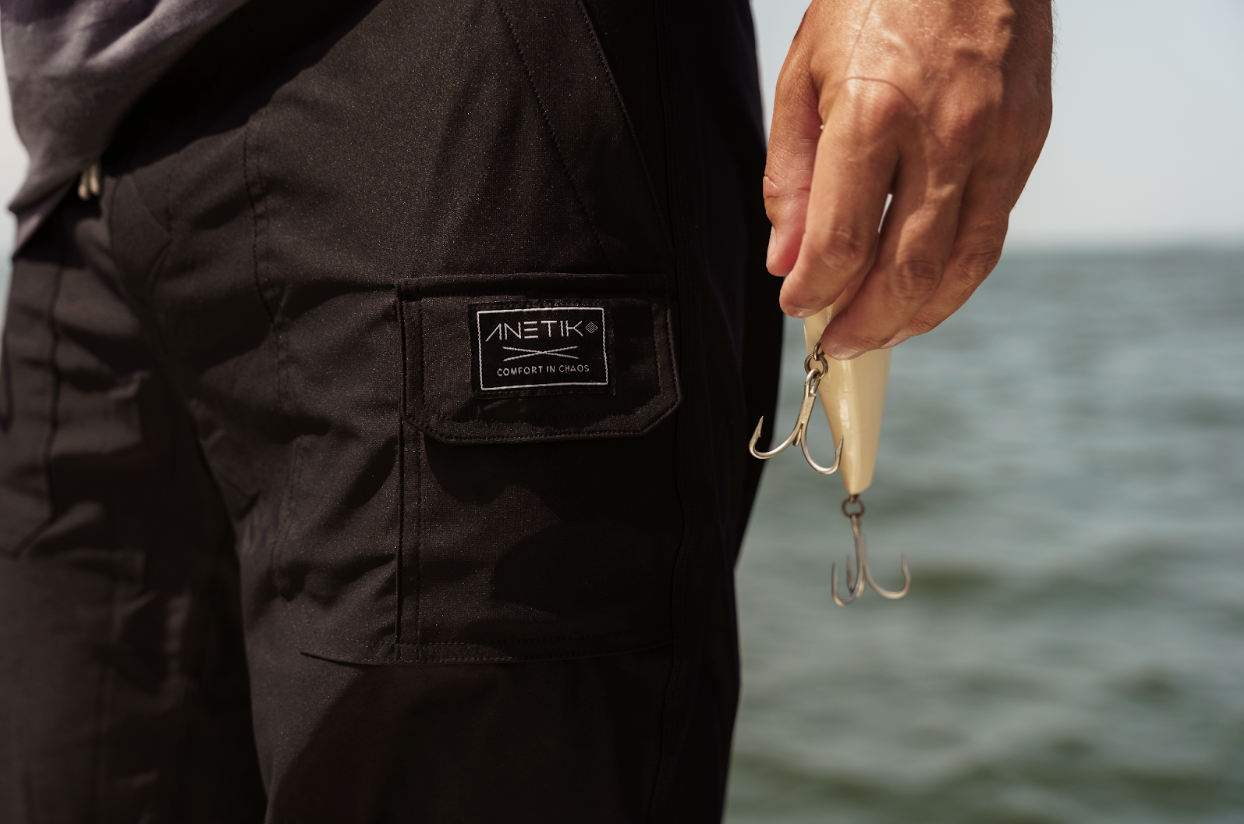
Heat on the water is different from heat on land, no shade, constant reflection, and humidity that doesn't quit. Light-colored, breathable fabrics reflect heat rather than trap it, and that difference compounds over the course of a full day. For bottoms, the ANETIK Roam Tech Short and Rise Active Short are built for high-temp, high-movement days:
- Quick-dry and stretch fabric for a full range of motion on the water
- Water-resistant construction that handles splashes without holding moisture
- Engineered for mobility so your gear moves the way fishing moves, not the other way around
When it's hot enough that every piece of gear feels like a liability, the right shorts and pants become one of your few advantages.
Cold Weather
The mistake most people make in cold weather is bulking up instead of layering smart. Bulk kills your range of motion, and range of motion is how you fish. Layer for insulation without restriction, thumbhole cuffs lock warmth in at the wrists, and stretchable materials keep you mobile when it counts. Follow this before any cold-weather trip:
- Check the forecast, not just temperature. Wind and cloud cover hit harder on open water than they do on land.
- Pack waterproof storage for your backup gear.
- Throw in an extra pair of socks and gloves.
- Always bring a lightweight rain shell. Always.
Cold-weather fishing rewards the anglers who are prepared for it. A little extra thought before you leave the house means a lot more time on the water before you have to call it.
The Final Checklist
- Base layer (cold weather only): wool, moisture-wicking, temperature-regulating
- Mid layer: UPF 30+ hoody with hood coverage for neck and face
- Outer shell: windproof, water-resistant, packable
- Hat: full coverage, moisture-wicking sweatband
- Neck gaiter: breathable, versatile enough to adjust on the water
- Socks: moisture-wicking, built for full-day wear
- Performance shorts or pants: quick-dry, stretch, water-resistant
- Check the forecast: UV index and wind, not just temperature
- Waterproof storage for backup gear
- Extra socks and gloves if cold weather is on the table
Run through it the night before. The days you skip it are the days you're an hour out wishing you hadn't.
Don't Let Your Gear Be the Reason You Get Reeled In Early
The right fishing apparel doesn't make you a better angler, but bad apparel will make you a worse one. Uncomfortable, overheated, and sunburned is no way to spend a day on the water, and it's no way to fish either. The focus and endurance of a long day on the water starts with gear that handles its job quietly, so you can handle yours.
ANETIK is built by people who fish, who know what a full day of reflected sun actually feels like, what it means to be two hours from the ramp when the wind turns cold, and why the details that seem small on the rack matter enormously out there. That's not a brand promise. That's what drives every fabric choice, every fit decision, every piece in the lineup.
Explore the fishing collection and gear up for the full day.
FAQs
What's the difference between UPF and SPF? SPF is a sunscreen rating that measures the lotion applied to your skin, and it wears off. UPF is a fabric rating, and it doesn't. For a more in-depth answer, read our blog on UPF vs. SPF here.
Does UPF protection wash out over time? Not with ANETIK. The protection is built directly into the fibers, no chemical coating, nothing to degrade with washing.
Do I really need long sleeves in hot weather? On open water, yes. Reflected UV exposure is relentless, and a lightweight UPF long sleeve does more than sunscreen can keep up with over a full day.
What should I prioritize if I'm buying my first set of fishing apparel? Start with a solid base layer and a UPF hoody; those two pieces handle the most common problems anglers run into: overheating and sunburn.
Is a neck gaiter actually necessary? Your neck takes direct and reflected sunlight all day, and it's easy to forget about. By the time you notice it's burned, it's too late.

Leave a comment
This site is protected by hCaptcha and the hCaptcha Privacy Policy and Terms of Service apply.