




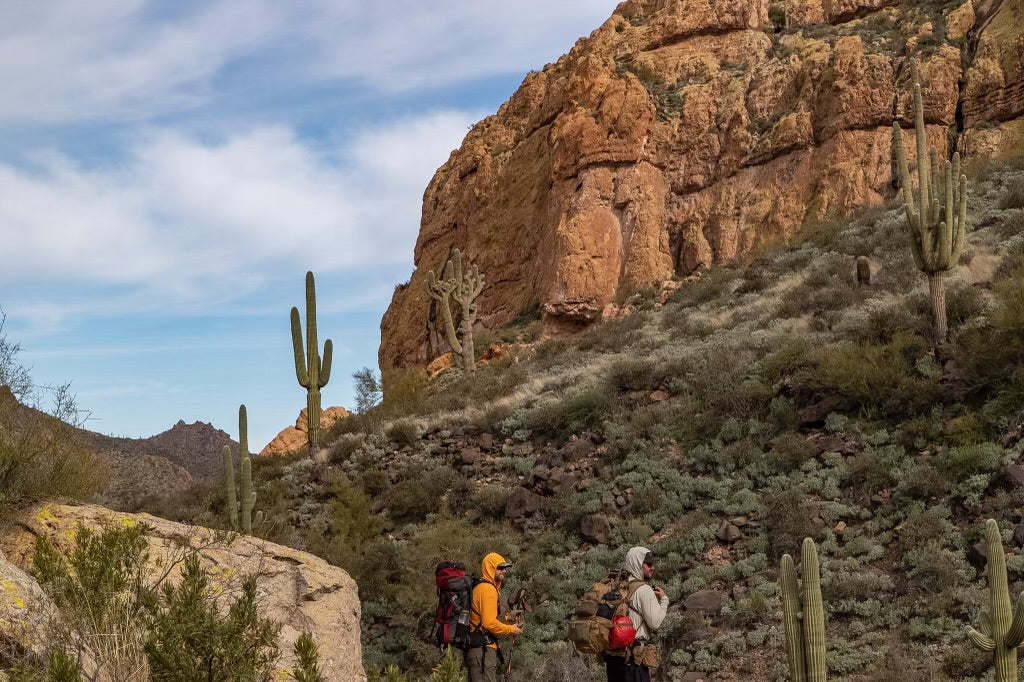
It happens fast. One minute you're mid-cast, mid-round, or three miles into a hike. Next, your shirt is soaked through and clinging to your back, your body is working overtime just to stay upright, and the gear you trusted to help you is actively making things worse.
Here's the uncomfortable reality: most clothing is designed to look good, not to keep you alive in the heat.
This blog breaks down what actually happens when your internal temperature climbs, how your clothing either helps or fights that process, and what to wear when the sun isn't giving you a choice.
Your Body Is Already Working, Don't Make It Fight Your Clothes Too
Your body cools itself through sweat evaporation, but in hot, humid conditions, that process slows down. As core temperature climbs, the risk of heat stress, heat exhaustion, and heat stroke rises with it. Heat stroke is a medical emergency. The distance between uncomfortable and dangerous is shorter than most people think.
Early signs your body is losing the battle:
- Dizziness or lightheadedness
- Nausea or sudden fatigue
- Headache or confusion
- Goosebumps in hot weather, your body's cooling system misfiring
Recognizing these early is the difference between a bad hour and a medical situation. What you're wearing when they show up matters more than most people realize.
Heat Leaves Your Body Through Three Channels, The Right Clothing Helps All Three
Every movement generates heat. Clothing that traps it forces your body to work harder to maintain a safe internal temperature. Clothing that works with your cooling system makes the whole day easier.
The three channels your body uses to shed heat, and what clothing does to each:
- Evaporation: When sweat turns to vapor, your body cools. Breathable, moisture-wicking fabric accelerates this. Cotton holds sweat against skin and slows it down.
- Convection: Moving air carries heat away from your body. Loose-fitting garments and vented panels keep that process running. Tight, non-breathable fabric cuts it off.
- Radiation: Your body radiates heat outward, and the sun radiates it inward. Light-colored, UPF-rated fabrics help block incoming solar energy.
The goal isn't just coverage. It's clothing that actively supports all three at once.
The Sun Doesn't Care What You Paid
Heat stress happens when your body absorbs more heat than it can release. It's not just an athlete problem, construction workers, landscapers, guides, and anyone putting in long hours under the sun faces the same risk. PPE and work uniforms that restrict airflow make it worse.
Your body has real mechanisms for managing this: sweat evaporation, air movement across skin, and periodic cooling breaks. When those fail, your core temperature can climb faster than you expect. Hydration, proper clothing, and shade breaks aren't optional extras. They're the system.
How the Main Fabric Options Hold Up When It Matters
Here's how the main options stack up when it actually matters:
- Moisture-wicking synthetics (poly/nylon blends): Draw sweat away from skin and let it evaporate fast. Durable, lightweight, and often built with mesh zones for extra airflow. Best for high-output activities: running, fishing, hiking, outdoor work.
- Ultralight merino wool: Naturally thermoregulating and odor-resistant. Performs across moderate temperatures and fluctuating conditions. Best for travel, multi-day use, and mixed-weather days.
- Cotton and linen: Airy and comfortable for low-intensity movement or rest. Cotton holds sweat when wet, which slows heat loss and keeps you damp. Linen breathes better but earns its place in casual, low-exertion situations rather than hard days out.
The short version: if you're working hard in real heat, synthetic or merino. Cotton is for the porch, not the trail.
Build a Heat-Smart Outfit Head to Toe
Getting dressed for heat isn't just about picking lightweight pieces, it's about making sure every layer is working for your body, not against it.
- Head and neck: A performance cap or hood blocks direct sun and radiant heat. ANETIK's Dockside Tech Trucker features a laser-perforated body for active airflow, shade without the sauna effect.
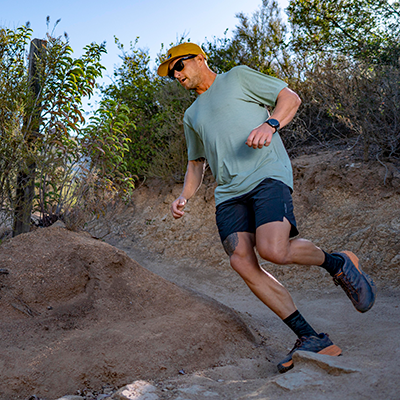
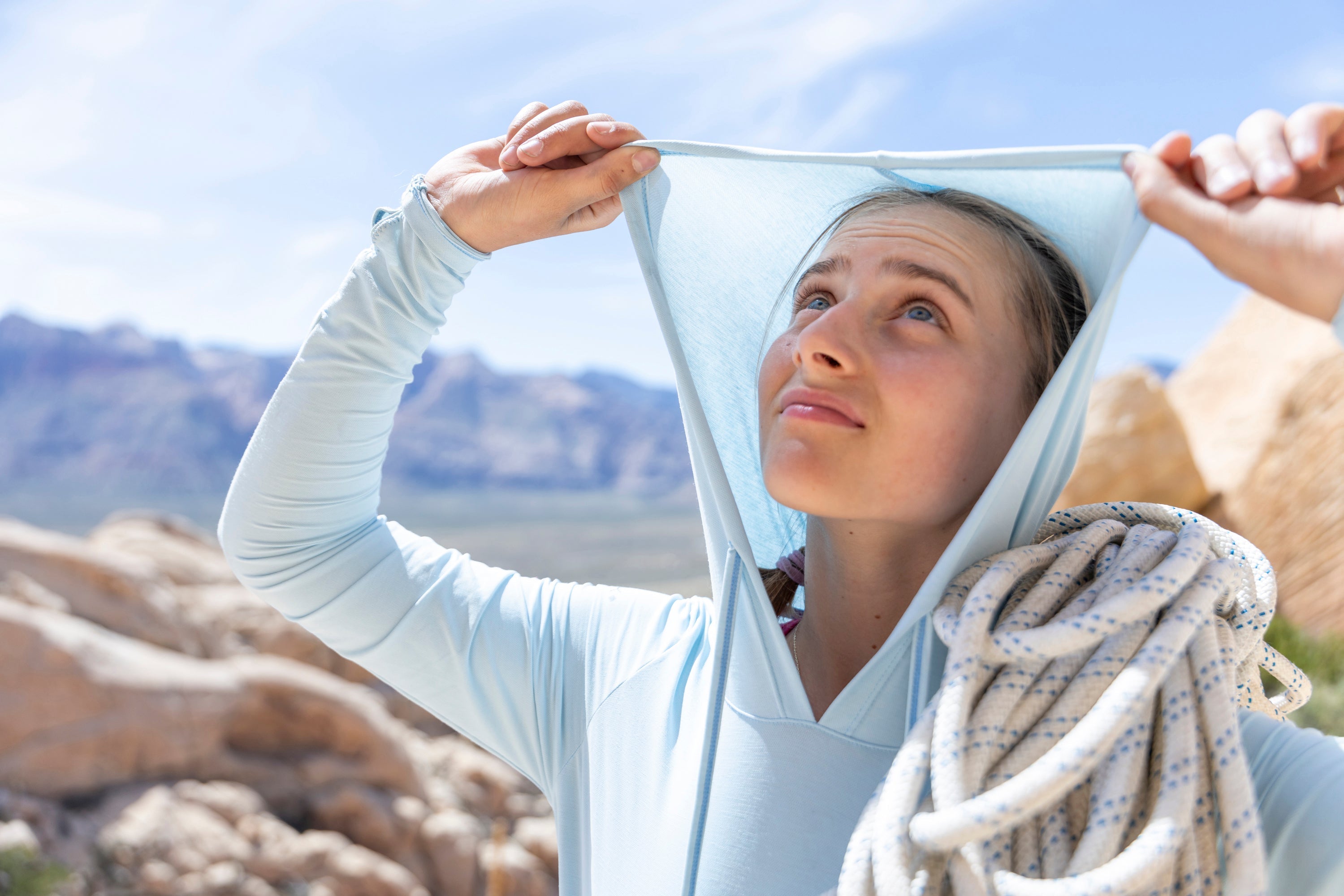
- Torso: Ultralight, breathable long-sleeve tops with UPF 30+ protection and ventilation zones at the underarms and back. This is where most people make the biggest mistake by reaching for a cotton tee.
- Arms: ANETIK Mission Shade Sleeves add modular coverage without trapping heat. Put them on, take them off, they go where the sun goes.
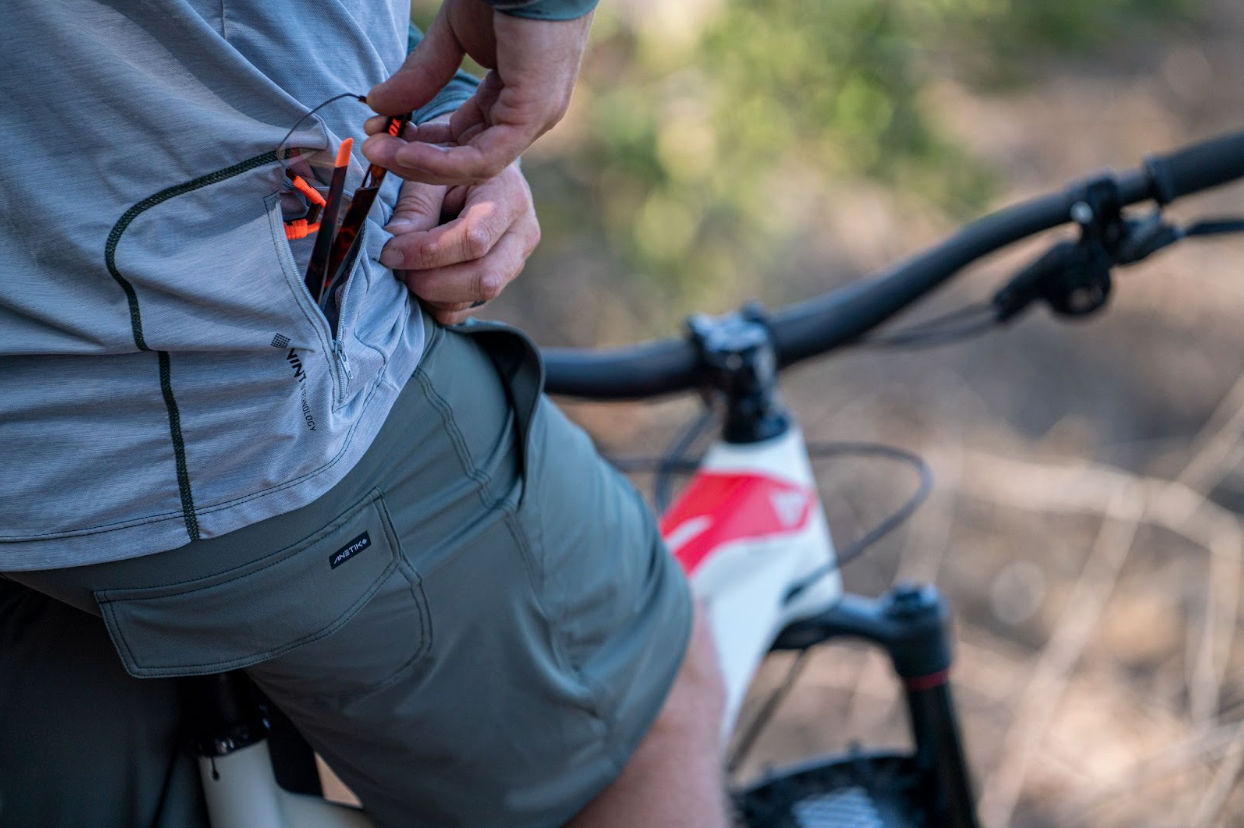
- Lower body: Quick-drying shorts or vented pants with 360° stretch and real cooling construction. Light colors run cooler. ANETIK's Revolt and Roam Tech shorts use ultra-lightweight 360° stretch knit fabric built specifically for this.
- Feet: Thin, moisture-wicking socks with ventilated shoes reduce sweat buildup and friction, two things that compound quickly over a long day.
Every layer has a job. If it's not helping you stay cool, it's working against you.
 When the Gear You Have to Wear Makes Things Worse
PPE and work uniforms create a real problem in heat. They trap heat, restrict airflow, and significantly increase the risk of heat stress, especially when the work itself is already demanding.
If you're in this situation:
- Use moisture-wicking base layers under PPE to keep sweat moving
- Choose the lightest, most breathable certified options available
- Rotate tasks and take shade breaks, proactively, not reactively
- Consider cooling vests with phase change materials for high-heat environments
OSHA's guidelines on occupational heat exposure are worth bookmarking if you manage workers or operate in regulated environments. They outline exposure limits, acclimatization protocols, and employer responsibilities that directly affect how you should be dressing your team.
Proven in Conditions Where It Actually Matters
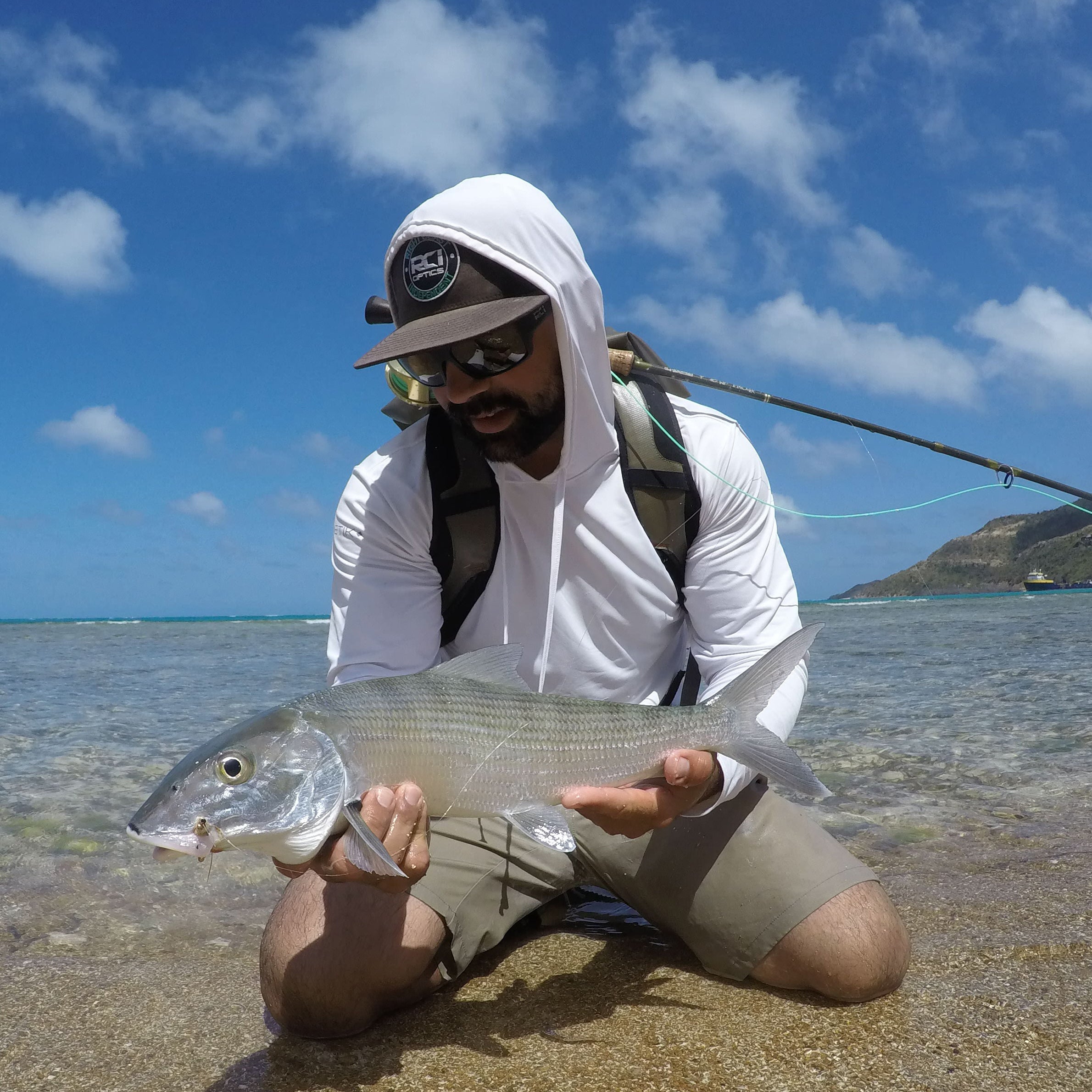
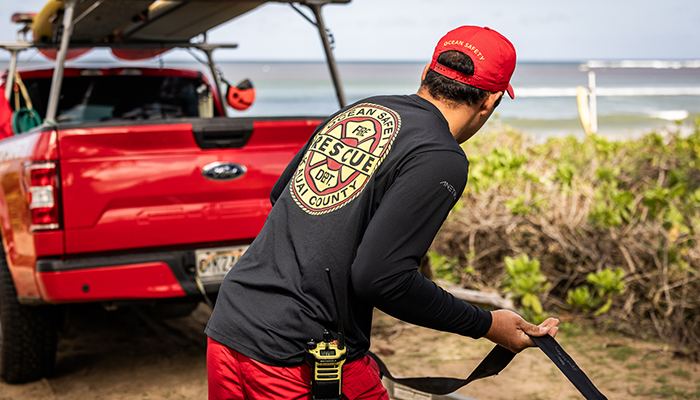
ANETIK gear isn't made for the parking lot. It's worn by US Navy personnel, Miami SWAT, Los Angeles lifeguards, and Hawaiian lifeguard associations, teams operating in extreme heat where gear failure isn't an inconvenience, it's a liability. When the people who can't afford to compromise choose your product, that's a different kind of product review.
Hydration, Acclimatization, and Smarter Scheduling
Clothing does a lot, but it doesn't do everything. The full system:
- Hydrate before you need to: drink fluids before, during, and after exertion; balance electrolytes to replace what sweat takes
- Acclimatize gradually: give your body several days to adapt to high heat before pushing hard in it
- Schedule smarter: plan outdoor activities during cooler hours when you can. Use shade aggressively. Take recovery breaks in air-conditioned or shaded areas, not as a reward, but as part of the plan.
Cooling Accessories Worth Having
For days when temperatures are genuinely extreme:
- Cooling vests with phase change inserts store and release cool energy during high-output work
- Neck wraps and cooling towels provide targeted relief fast
- ANETIK Mission Shade Mask and Shade Sleeves, modular, breathable coverage that goes on and comes off as conditions change
These aren't extras. On a genuinely hot day, they're the difference between finishing strong and cutting it short.
Gear Care for Peak Performance
For ANETIK gear specifically: hand wash or gentle cycle, cold water, no fabric softeners, air dry in shade. Fabric softeners leave a residue that clogs moisture-wicking channels and quietly degrades performance over time. ANETIK's UPF and cooling properties are built into the fabric structure, not a chemical wash, so proper care keeps them working, not restoring them.
ANETIK Picks for Heat That's Actually Serious
- Low Pro Tech Hoody: ultralight PrimoLite® mesh, VINT Cooling Technology, UPF 30+
- Lanai Tech Hoody / Breeze Tech Hoody: built specifically for airflow and sun protection in serious heat
- Revolt Tech Short / Roam Tech Short / Roam Tech Pant: ultra-lightweight 360° stretch, magnetic closures, built for movement
- Mission Shade Mask & Shade Sleeves: modular coverage with real ventilation, not just fabric
Every piece above was built because someone needed it to work, not because it looked good on a hanger.
The Short Version
Clothing that prevents overheating works by balancing airflow, sweat management, and sun protection. Every layer should support your body's ability to cool itself, not fight it. Pair the right gear with hydration, shade, and smart scheduling, and the heat becomes a condition you manage, not a threat that manages you.
Shop the full ANETIK collection, built for heat, built to last.
FAQs
What clothing prevents overheating the best? Lightweight, breathable long sleeves and pants made from moisture-wicking, UPF-rated fabrics with real ventilation zones. The fabric and construction matter more than the label.
How can I avoid heat stress while wearing PPE? Moisture-wicking base layers, frequent shade breaks, and cooling vests or towels for targeted relief. Follow OSHA heat exposure guidelines for your specific environment.
What color should I wear in hot weather? Light colors reflect more sunlight and run cooler in direct sun. Dark colors absorb heat faster, which matters on a long day out.
What should I do if I feel symptoms of heat exhaustion or heat stroke? Move to shade or air conditioning immediately, loosen clothing, sip water, and seek medical help if symptoms don't improve quickly. Heat stroke is a medical emergency; don't wait it out.
Can long sleeves keep you cool in a hot environment? Yes, when built right. Ultralight, breathable long sleeves with UPF protection and ventilation zones block radiant heat and keep the sun off your skin without trapping body heat. The fabric is everything.

Leave a comment
This site is protected by hCaptcha and the hCaptcha Privacy Policy and Terms of Service apply.