





When the temperature rises, comfort isn't just a luxury; it's essential. From outdoor sports to long days on the water, what you wear directly impacts how you feel, how you perform, and how well your body holds up. Breathable clothing for hot weather isn't a nice-to-have. It's the foundation everything else is built on.
Here's what breathability actually means, why it matters, and how to find gear that actually delivers it.
The Science Behind Breathable Clothing
Breathability comes down to two things working together: airflow and moisture management. Technical fabrics are engineered to let heat escape and pull sweat away from your skin simultaneously. As that moisture evaporates, your body cools down naturally, the way it's supposed to.
Cotton isn't the enemy; it's just not engineered for sustained output in heat. Modern performance fabrics are. Modern performance fabrics use lightweight construction, mesh ventilation zones, and quick-drying properties to keep the process moving.
Check this out, our apparel, made by athletes for athletes, is built around two systems designed specifically for this: PrimoLite® mesh and VINT Cooling Technology. Together, they prioritize ventilation and comfort no matter how high the temperature climbs. Not marketing language, construction choices made by people who've sweated through bad gear enough times to know exactly what they were fixing.
What Happens When Your Clothing Can't Breathe
Clothing that doesn't let air circulate or moisture escape does more than make you uncomfortable. It actively works against your body's cooling system, and that has real consequences.
Prolonged sun exposure in hot, poorly ventilated garments raises the risk of heat exhaustion, dehydration, and heatstroke. According to the CDC, heat illness is one of the leading weather-related health threats during the summer months. The gap between uncomfortable and dangerous is shorter than most people realize, and what you're wearing when you cross it matters.
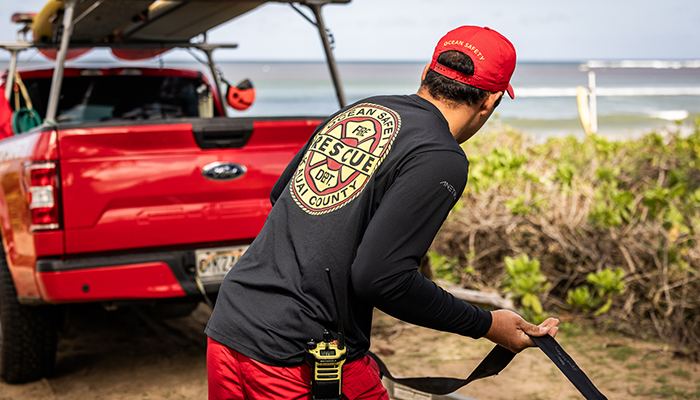
Breathable summer clothing made with lightweight, moisture-wicking materials reduces that risk by helping regulate body temperature and keeping sweat from sitting on your skin. For athletes, anglers, guides, or anyone putting in long hours outdoors, breathable apparel isn't just about performance, it's about finishing the day in the same condition you started it.
What to Actually Look for in Breathable Clothing
Not everything marketed as "breathable" earns the label. Here's what separates gear that works from gear that looks like it does:
- Lightweight fabrics: ultralight polyester blends, linen, or merino wool; materials that move air instead of trapping it
- Moisture-wicking construction: pulls sweat off skin and spreads it to evaporate fast
- Ventilation zones: mesh panels or vented construction at underarms, back, and sides where heat builds
- Quick-dry performance: critical for water activities, high-output sport, or any day that gets wet
- Light colors: reflect sunlight rather than absorbing it; a small choice that adds up over a long day
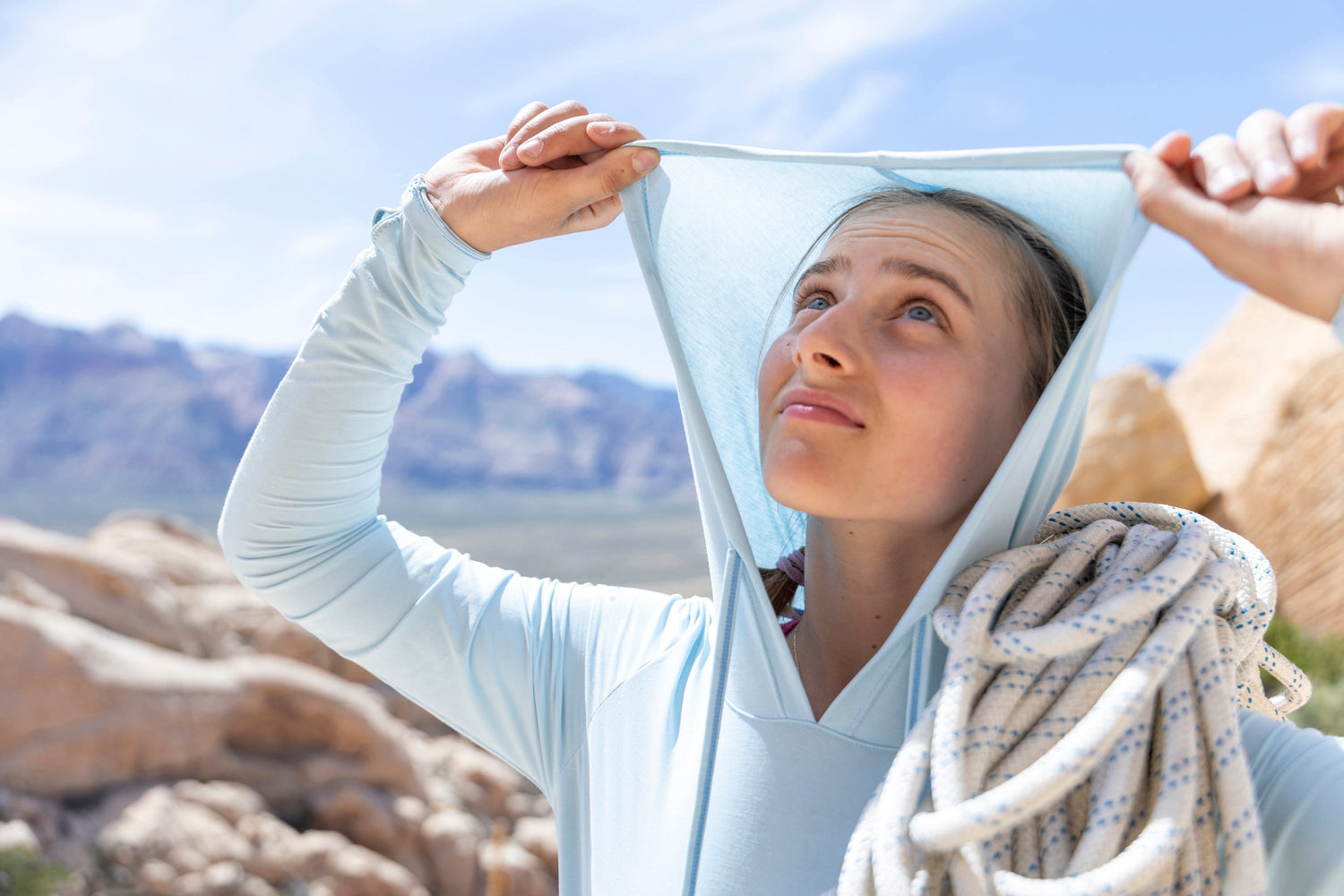
- UPF integration: built into the weave, not sprayed on; protection that works the same on day one and day 300
If the fabric feels heavy when wet, it's not breathable enough for real heat. That's the simplest test there is.
How Breathability Works Across Different Activities
Different conditions demand different solutions, but the underlying need is the same: gear that keeps your body's cooling system running.
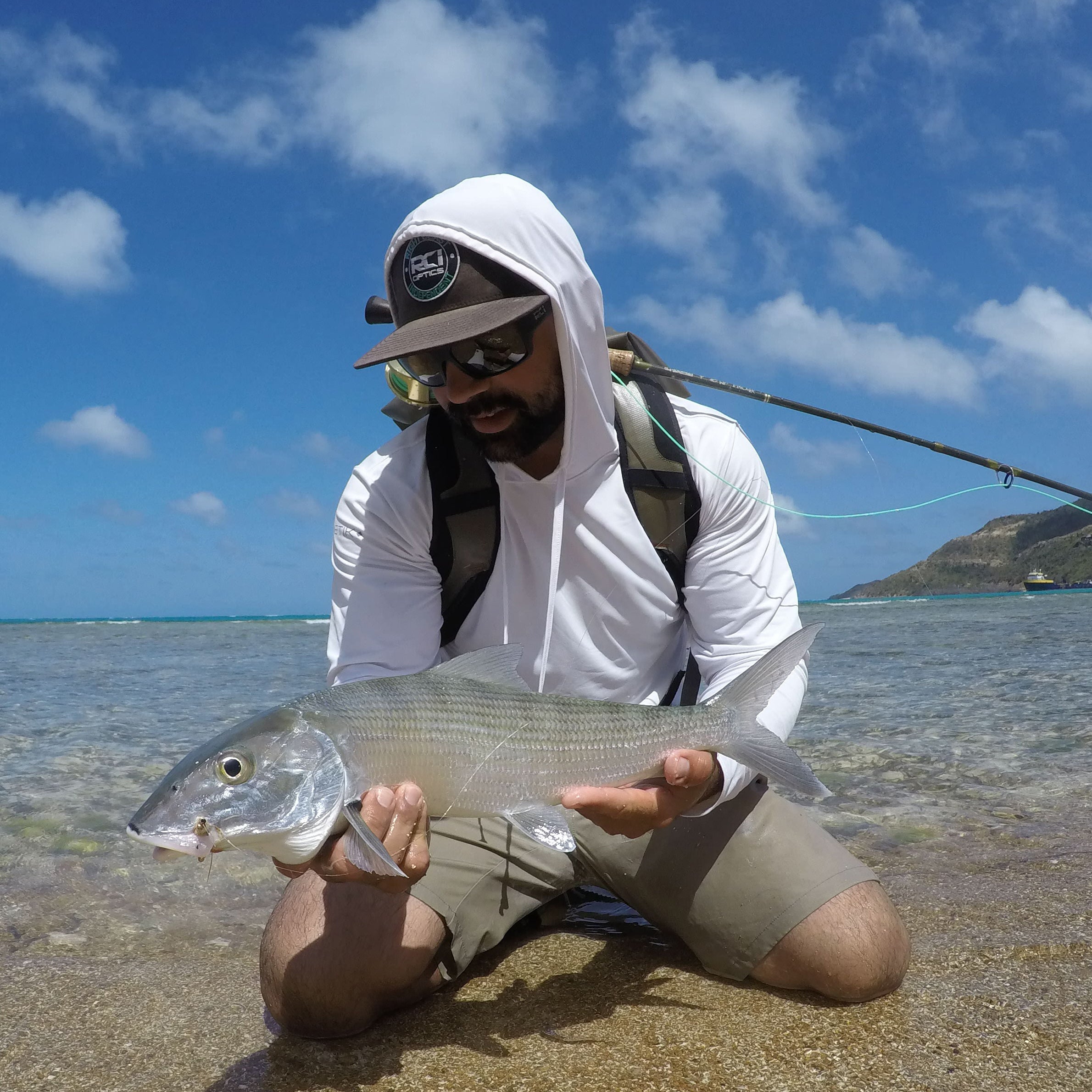
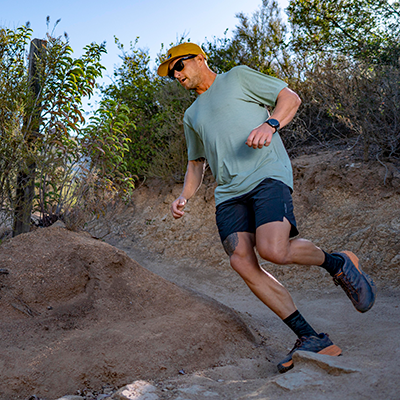
- High-output sports: Runners, mountain bikers, and golfers need ultralight, moisture-wicking construction that keeps pace with sustained exertion. Sweat management is the priority; everything else follows.
- Water activities: Paddlers, anglers, and surfers need quick-drying layers that handle both sweat and spray without clinging. UPF coverage is especially critical on the water, where UV reflects off the surface and compounds exposure.
- Everyday warm-weather wear: Breathable summer clothes made from airy fabrics like linen or merino wool keep you comfortable without sacrificing how you look. The goal is the same, airflow and moisture control, the standard just shifts.
The activity changes. The need for breathability doesn't.
Matching Fabric to the Heat You're Actually In
Knowing your fabric is the difference between choosing gear that works and choosing gear that looks like it should.
|
Fabric |
Breathability |
Moisture Wicking |
Drying Speed |
Best Use |
|
Polyester blends |
Excellent |
Excellent |
Fast |
Sport, fishing, high-output activity |
|
Merino wool |
Good |
Good |
Moderate |
Travel, mixed weather, odor control |
|
Linen |
Excellent |
Moderate |
Moderate |
Casual, low-intensity, leisure |
|
Cotton |
Moderate |
Poor |
Slow |
Low-output, dry conditions only |
Performance-focused blends, particularly polyester and technical synthetics, deliver the widest range of benefits when the heat is real and the activity is demanding. Natural fibers earn their place in the right context, but if you're working hard, the fabric needs to work harder.
Choosing the Right Breathable Gear for the Conditions
The last step is matching what you know to what you're actually doing:
- Activity type: high-output sport demands ultralight, moisture-wicking construction; casual wear can prioritize softness and style while still moving air
- Seasonal conditions: layer breathable pieces in spring and fall; prioritize maximum coverage with real ventilation in midsummer
- Fit: breathability stops working if the fit is wrong. Clothing needs to move with you. Too tight restricts airflow; too loose and coverage gaps appear
Gear that checks all three boxes stops being something you think about and starts being something you forget you're wearing, which is exactly where it should be.
Why It Matters More Than You Think
Breathability is more than a comfort feature, it's the foundation of safe, effective warm-weather performance. From preventing overheating to extending how long you can stay out there, breathable clothing for hot weather ensures your gear is working with your body, not against it.
At ANETIK, every piece is designed by athletes who understand what life under the sun actually demands. Lightweight construction, technical innovation, and real-world testing, not spec-sheet optimization.
Explore ANETIK's breathable performance collection and build a wardrobe designed for the heat you're actually in.
FAQs
Is breathable clothing always UPF-rated? No. Some breathable fabrics focus only on airflow without UV protection built in. For hot weather where sun exposure is a factor, look for apparel that combines breathability with a tested UPF rating, not one or the other.
What's the difference between moisture-wicking and breathable fabrics? Moisture-wicking describes how fabric pulls sweat away from your skin. Breathability describes how well air passes through. The best hot-weather gear does both simultaneously, one without the other is only half the solution.
How do I know if a shirt is truly breathable? Lightweight construction, mesh ventilation zones, and quick-dry performance are the real indicators. The simplest test: if it feels heavy and clingy when wet, it's not breathable enough for serious heat.
Does breathable clothing work in humid conditions? Yes. Humidity slows evaporation, but technical fabrics still wick sweat and allow air circulation, which keeps your body's cooling system running even when the air isn't helping. It won't make humidity disappear, but it makes it manageable.
How do I care for breathable gear to keep it performing? Skip fabric softeners, they clog the micro-channels responsible for wicking and quietly kill performance over time. Hand wash or gentle cycle, cold water, air dry in shade.


Leave a comment
This site is protected by hCaptcha and the hCaptcha Privacy Policy and Terms of Service apply.