





Gi is a Brazilian-born, Utah-based professional climber, certified AMGA climbing guide, mother, desert climber, van life, and founder of Beyond Jamming Crack Climbing Clinics.
She specializes in offwidth, trad climbing, big walls, and alpine climbing, with achievements including five ascents of El Capitan in Yosemite, a 10-hour ascent of Half Dome, and becoming the first Brazilian woman to complete the seven summits of the Fitz Roy massif in Patagonia.
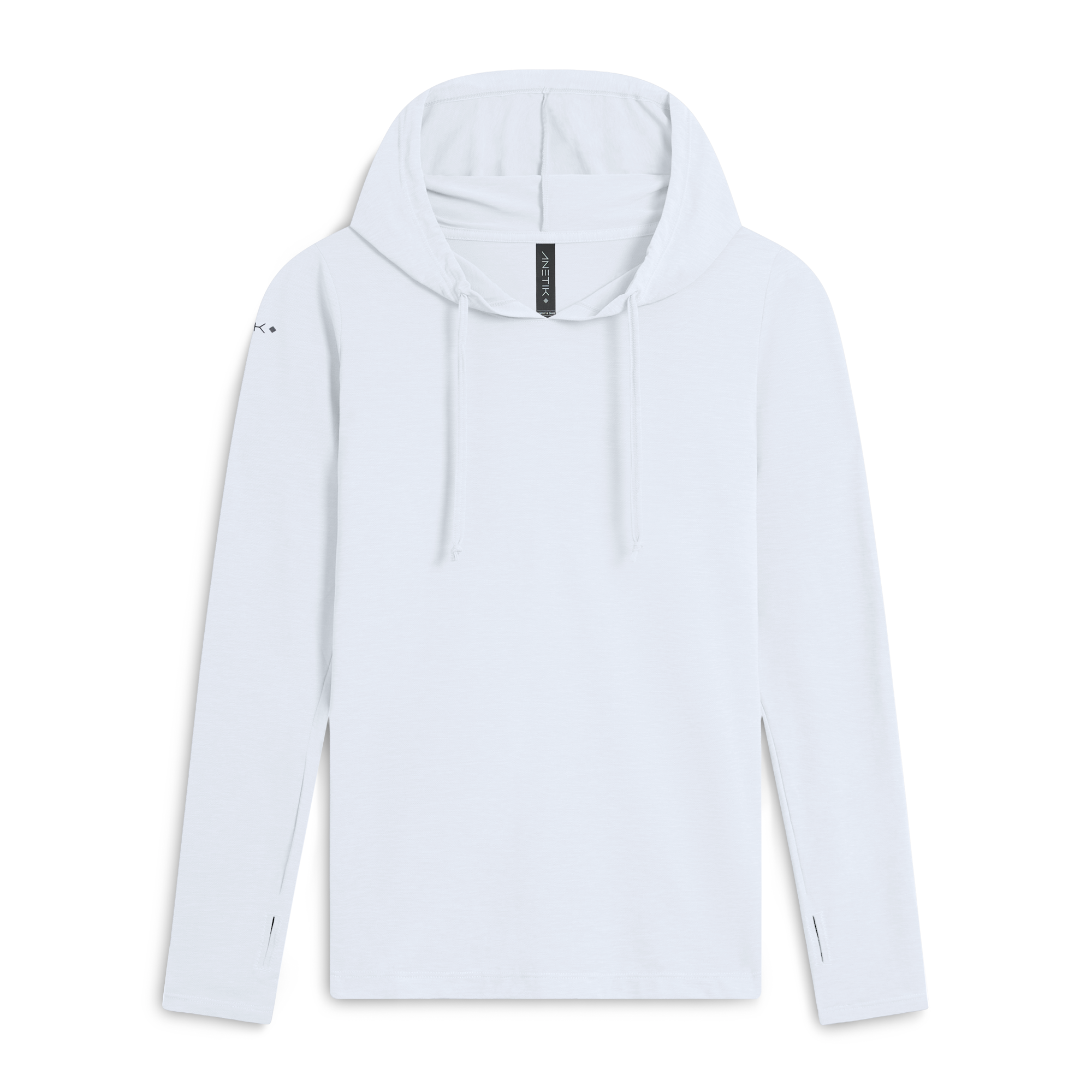
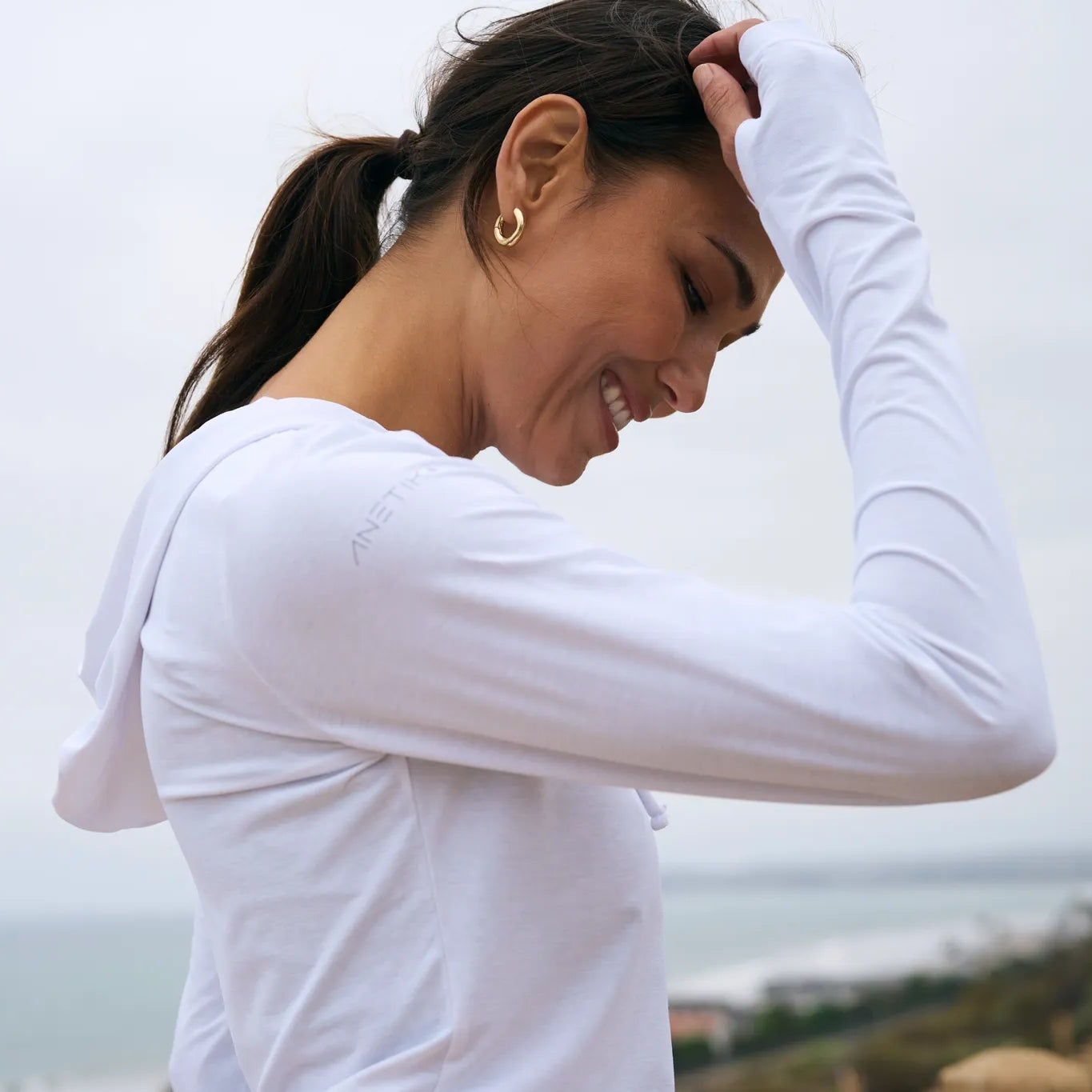
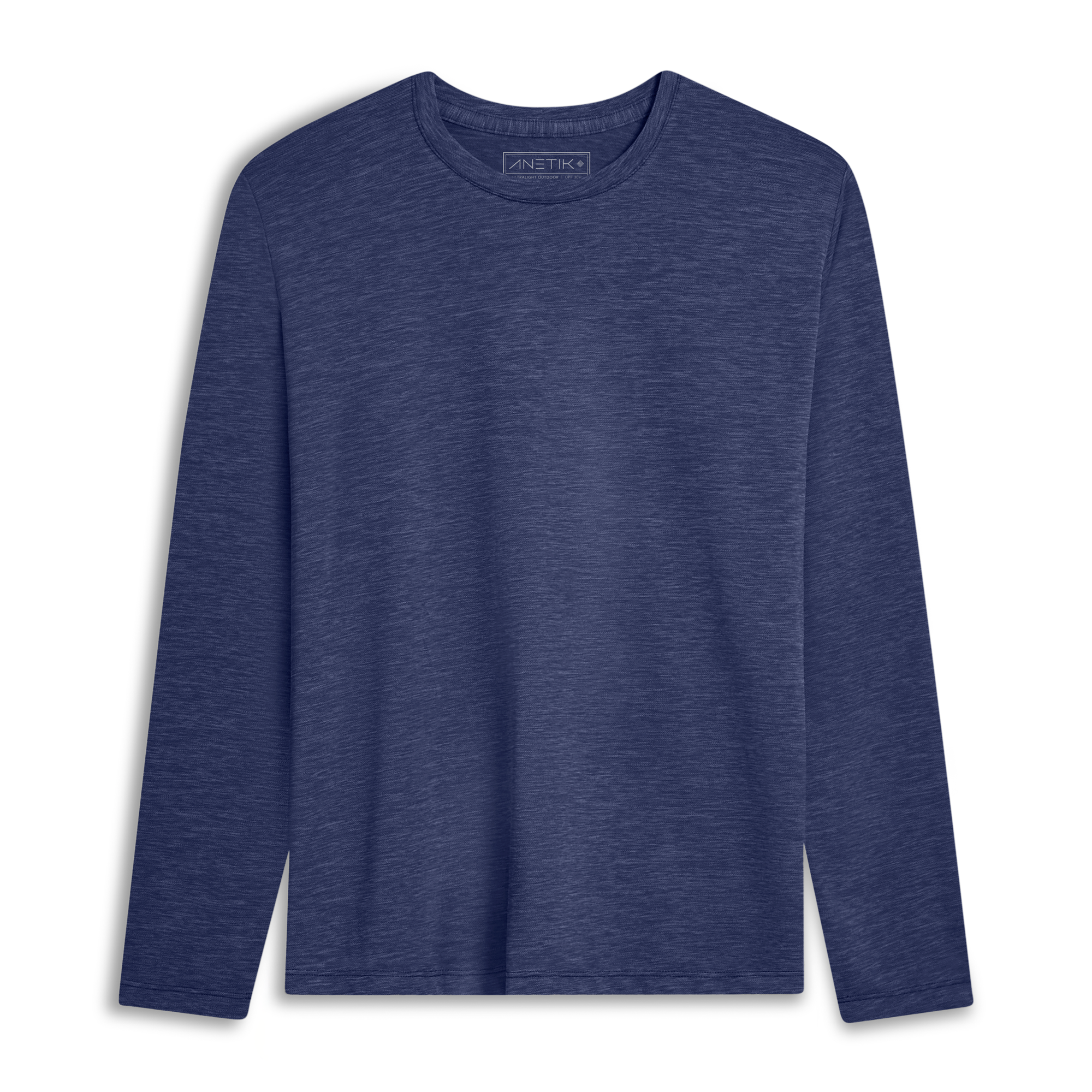
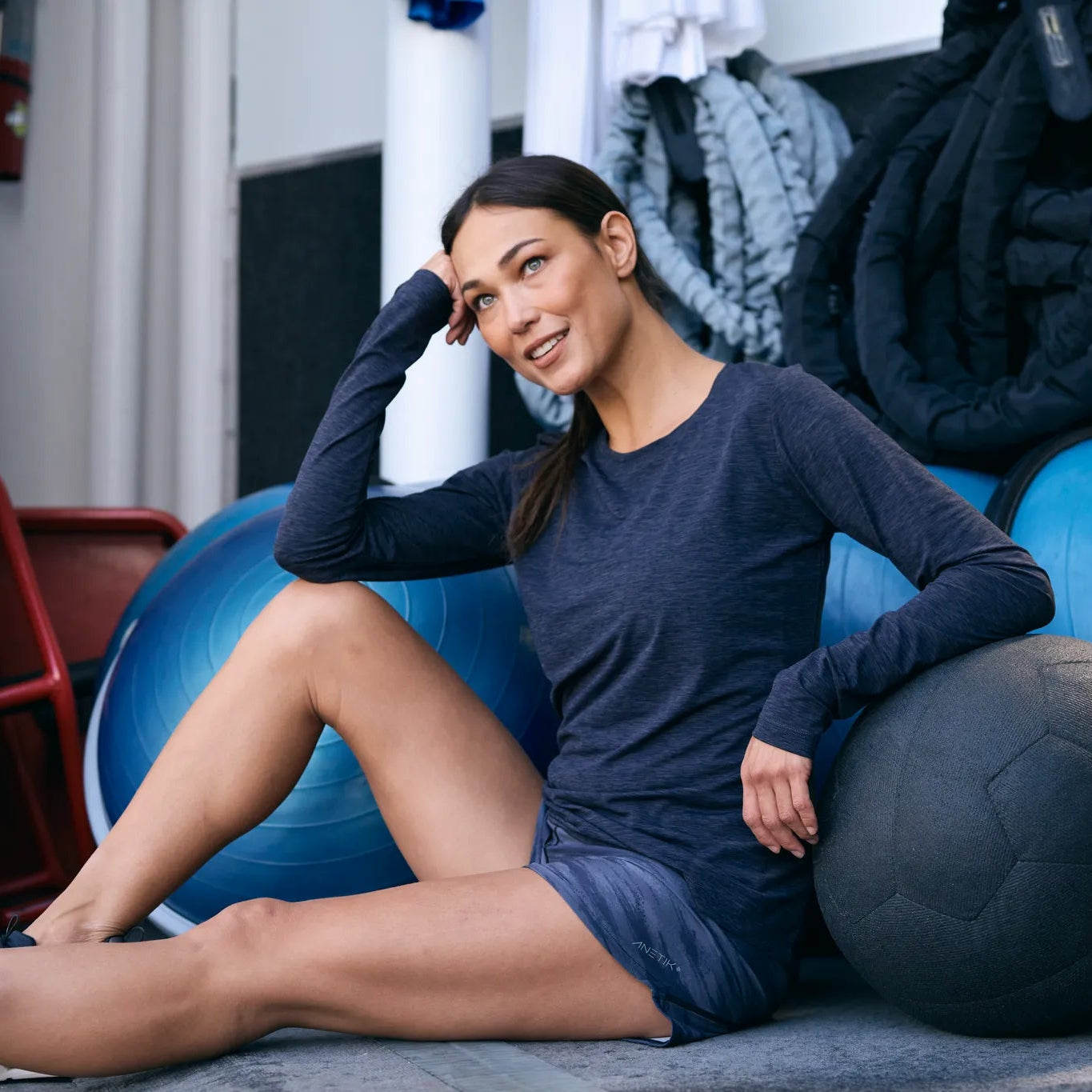
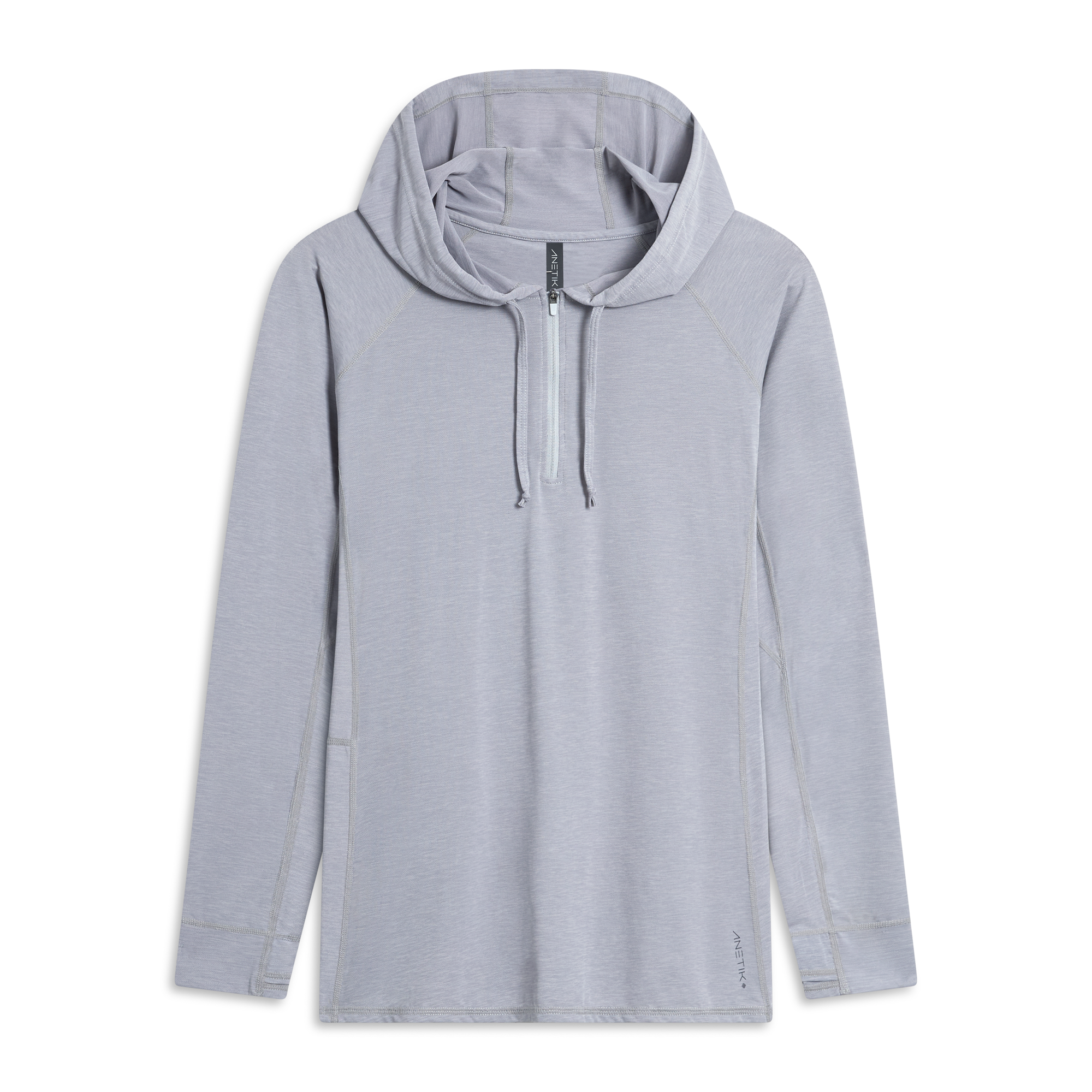
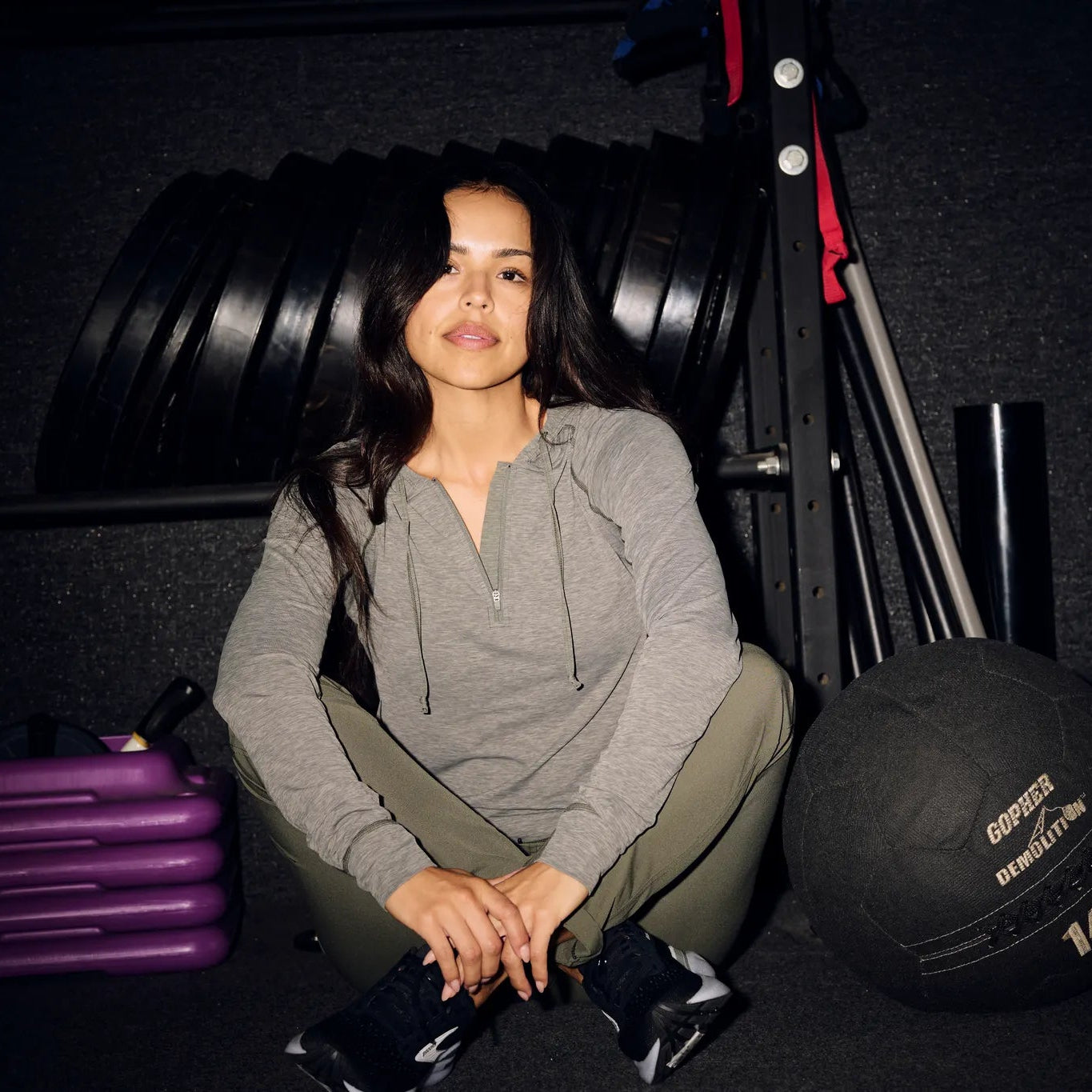
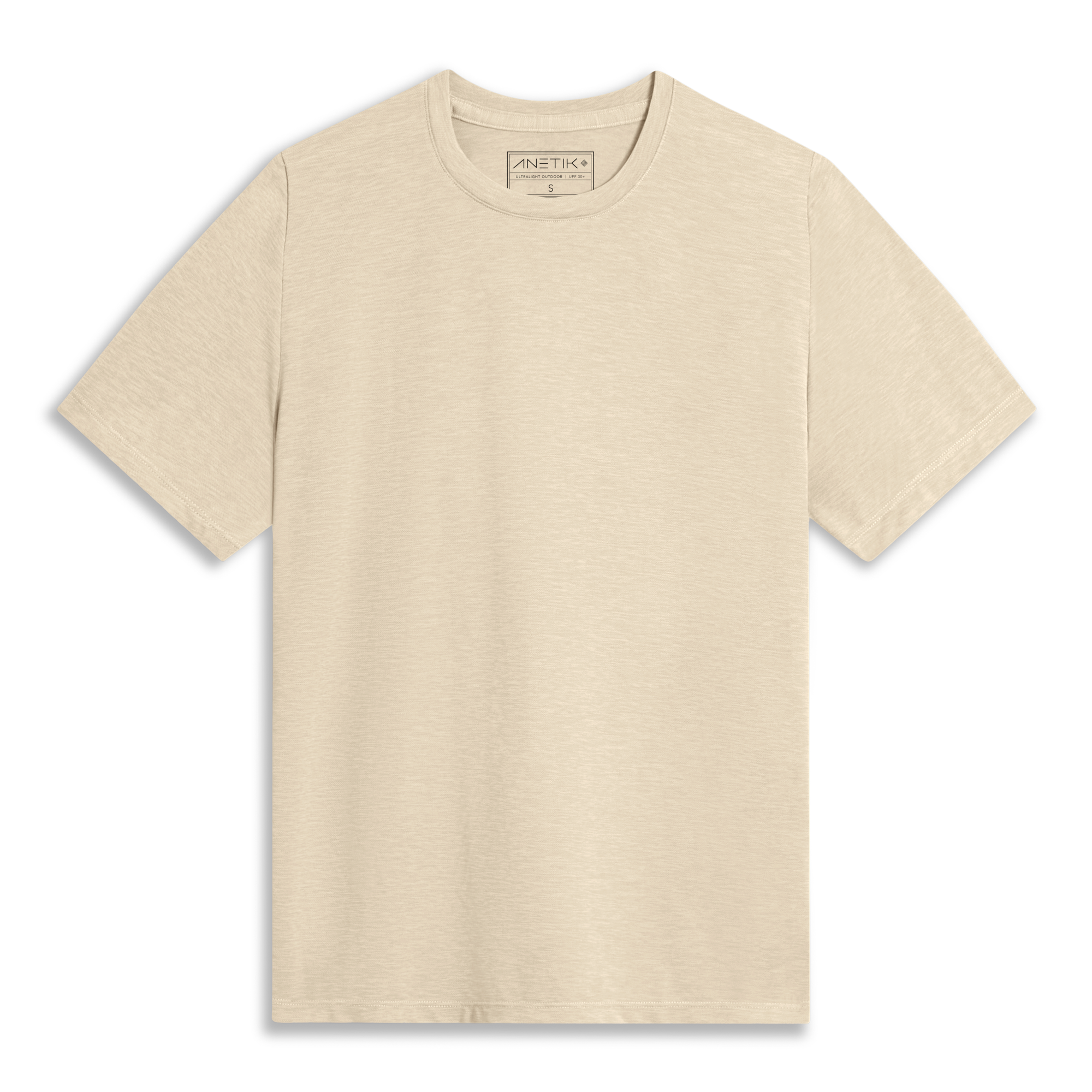
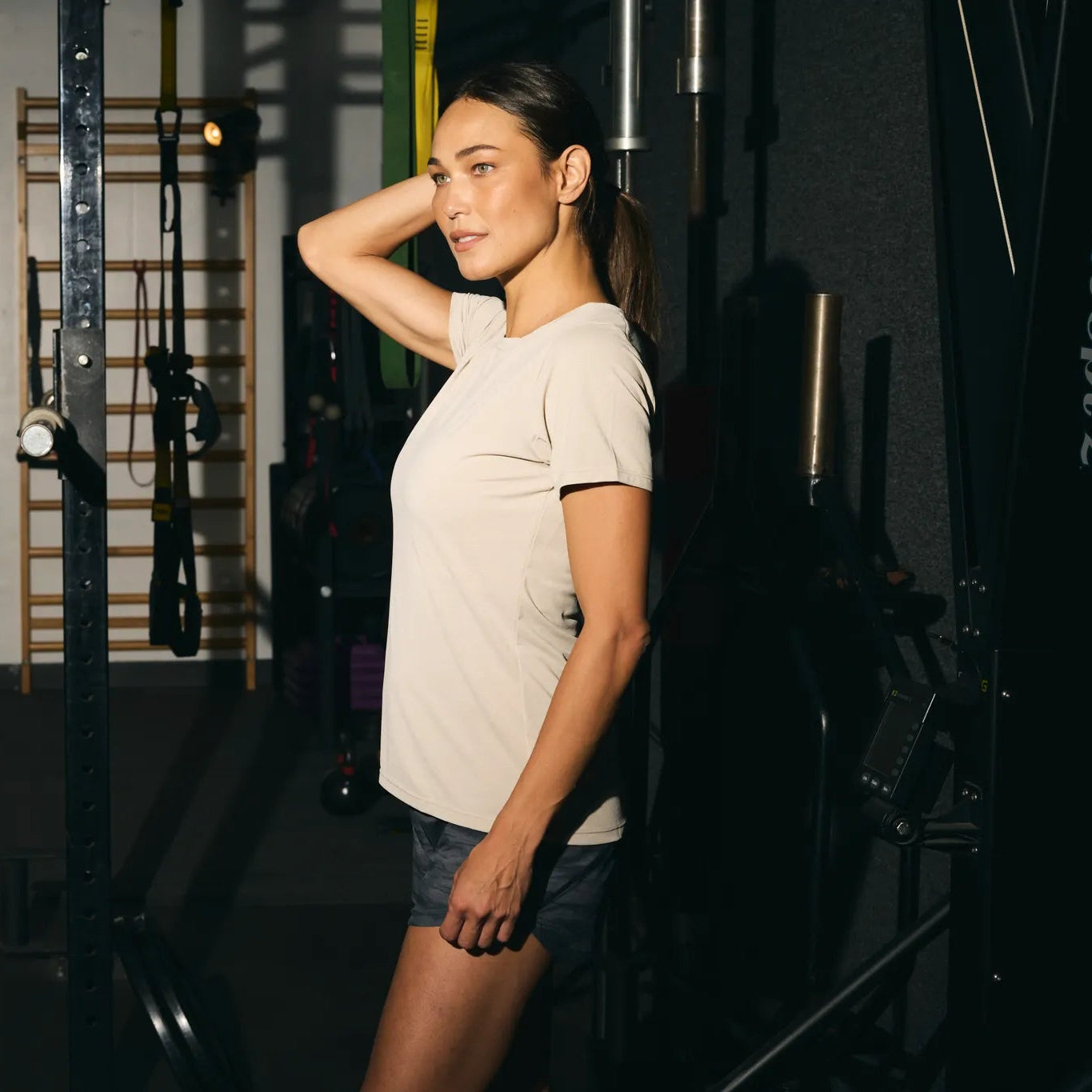
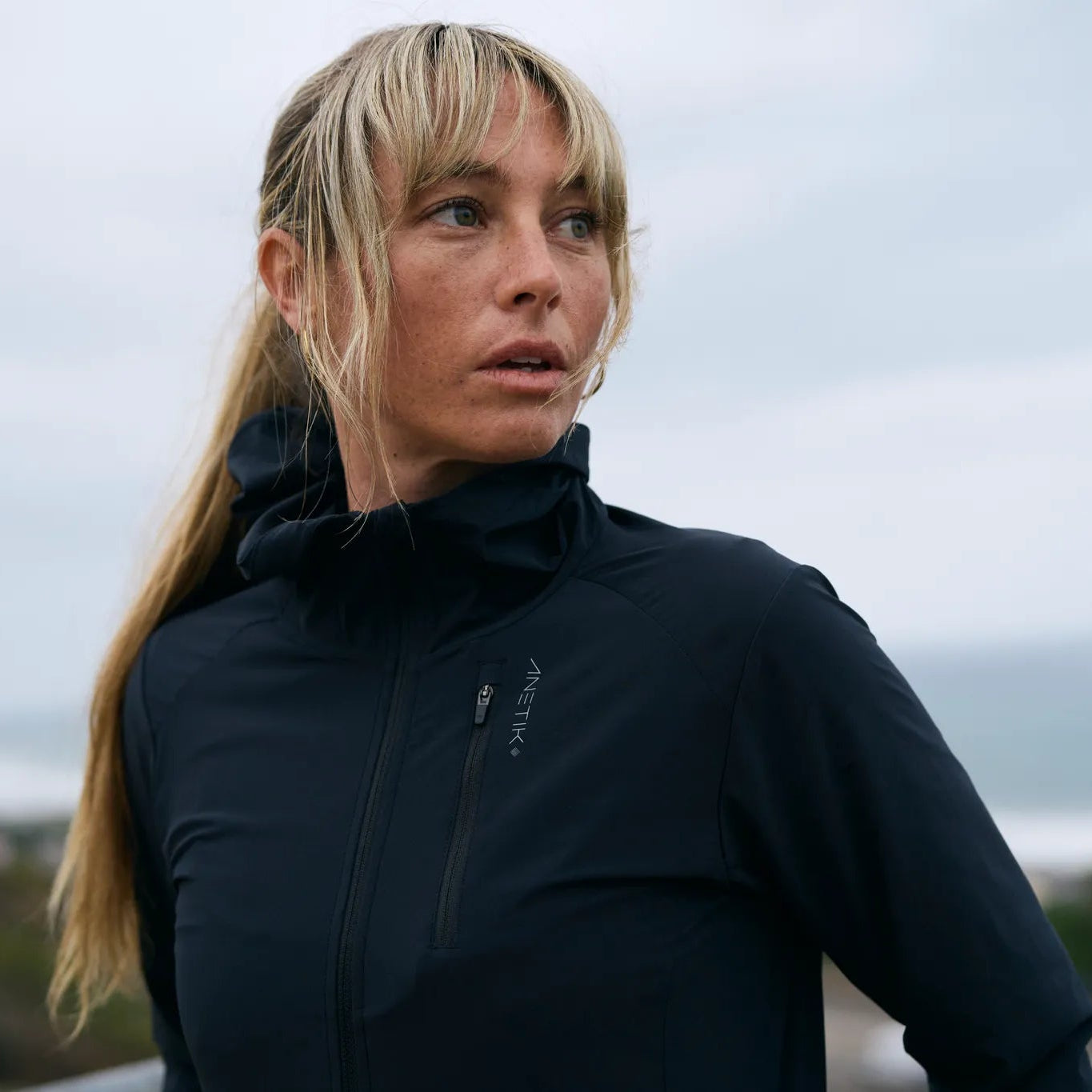
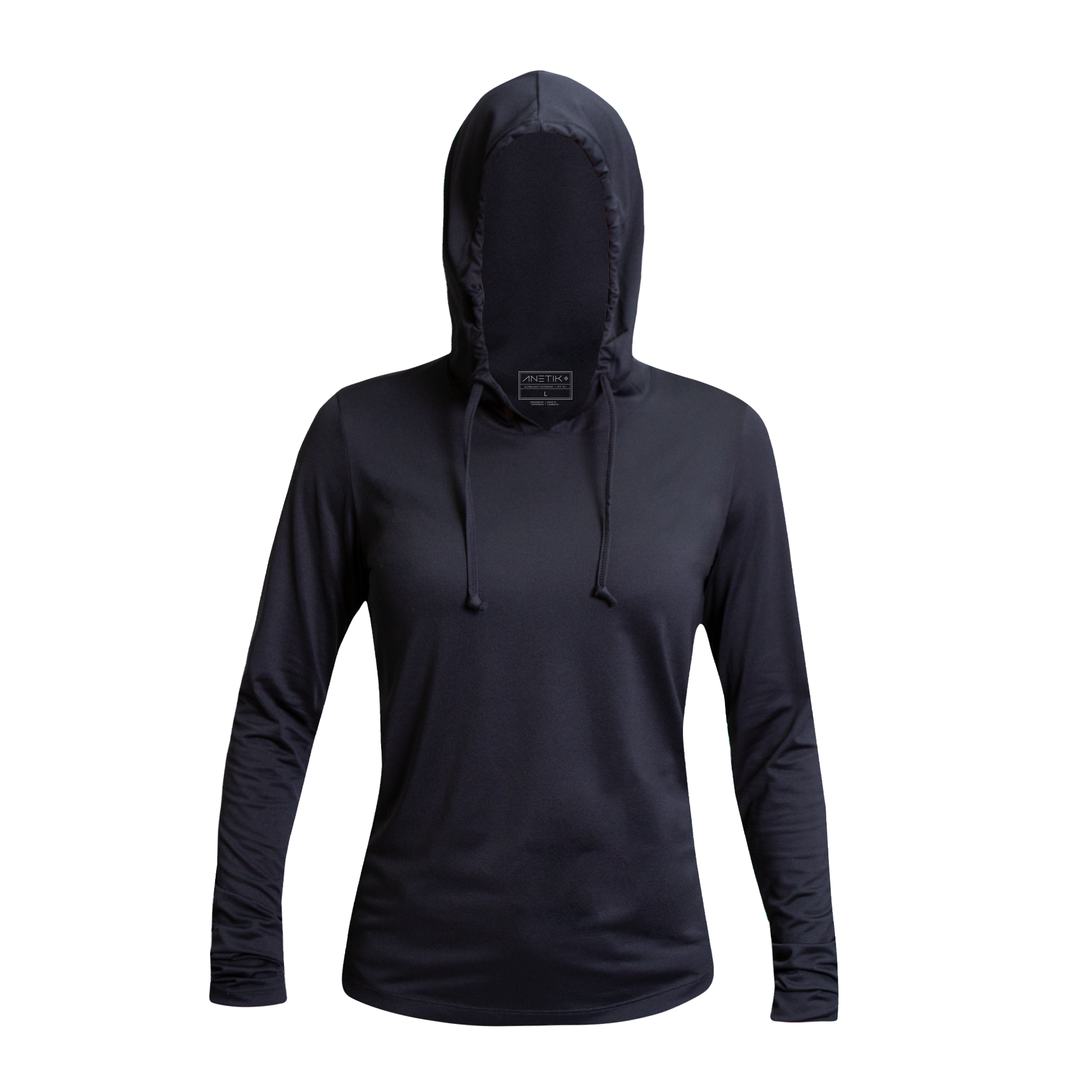
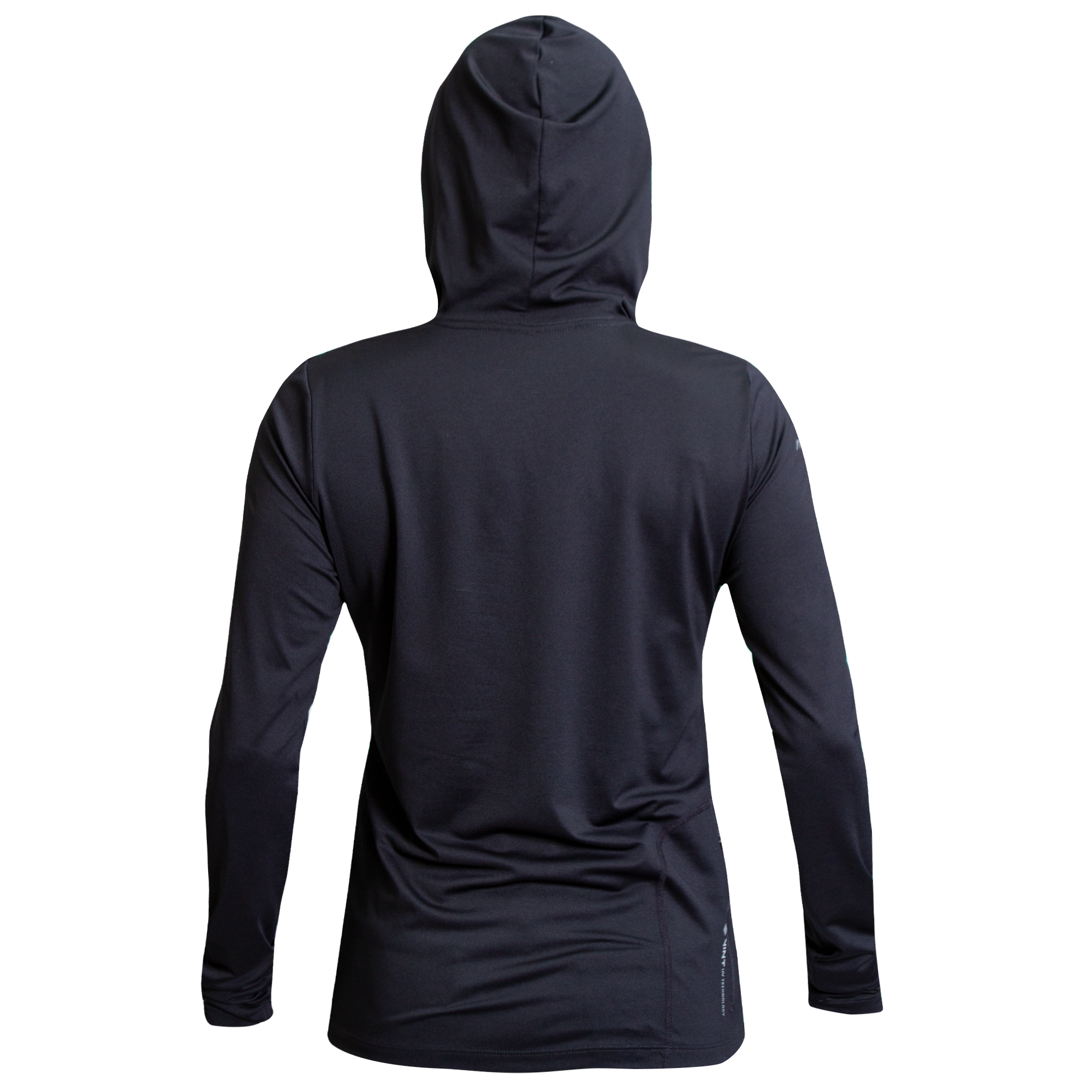
Today, she inspires climbers through guiding, education, and mentorship. At 48 years old, she spends most of her time under the desert sun and never goes anywhere without her sun shirt.
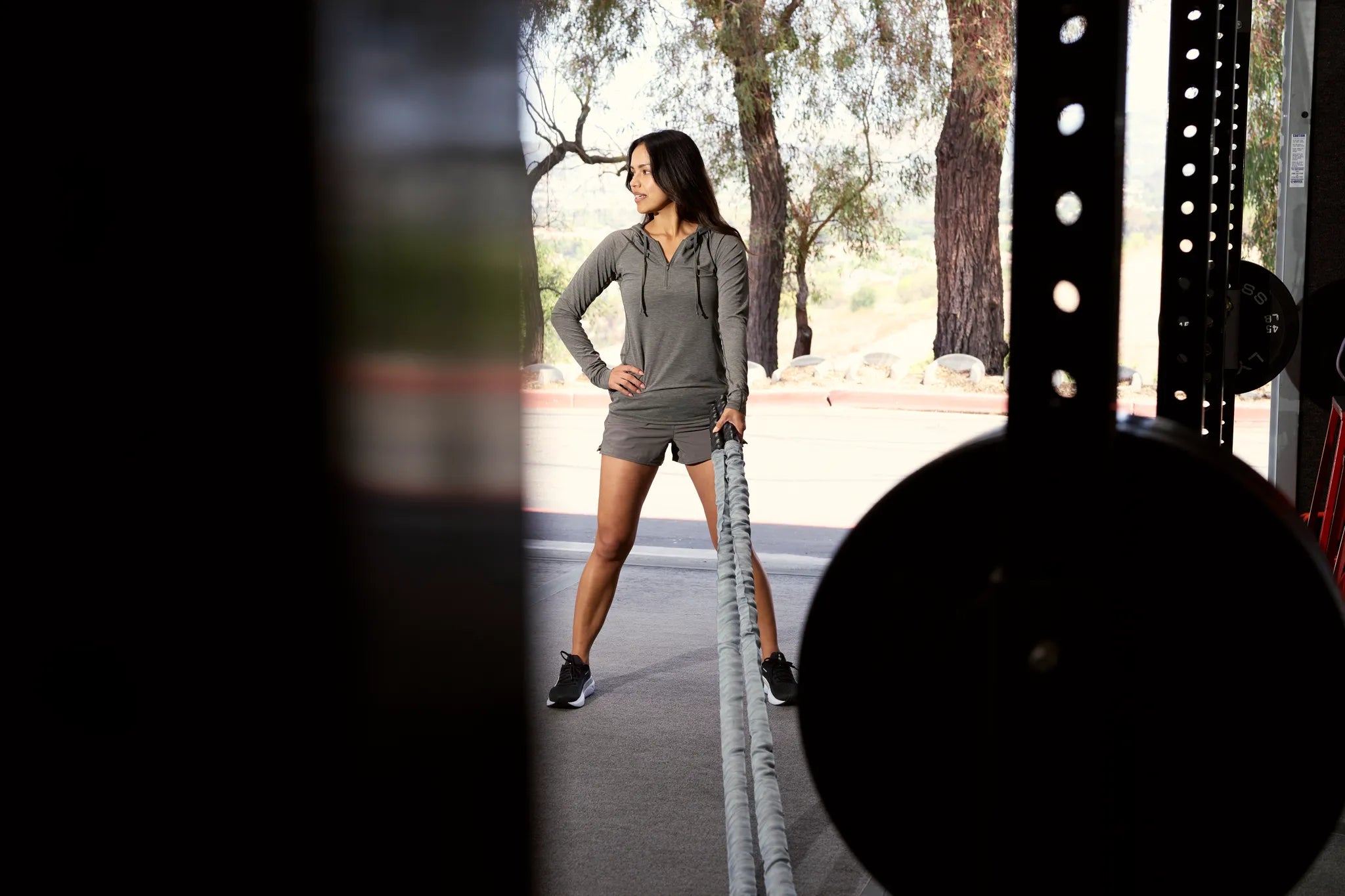
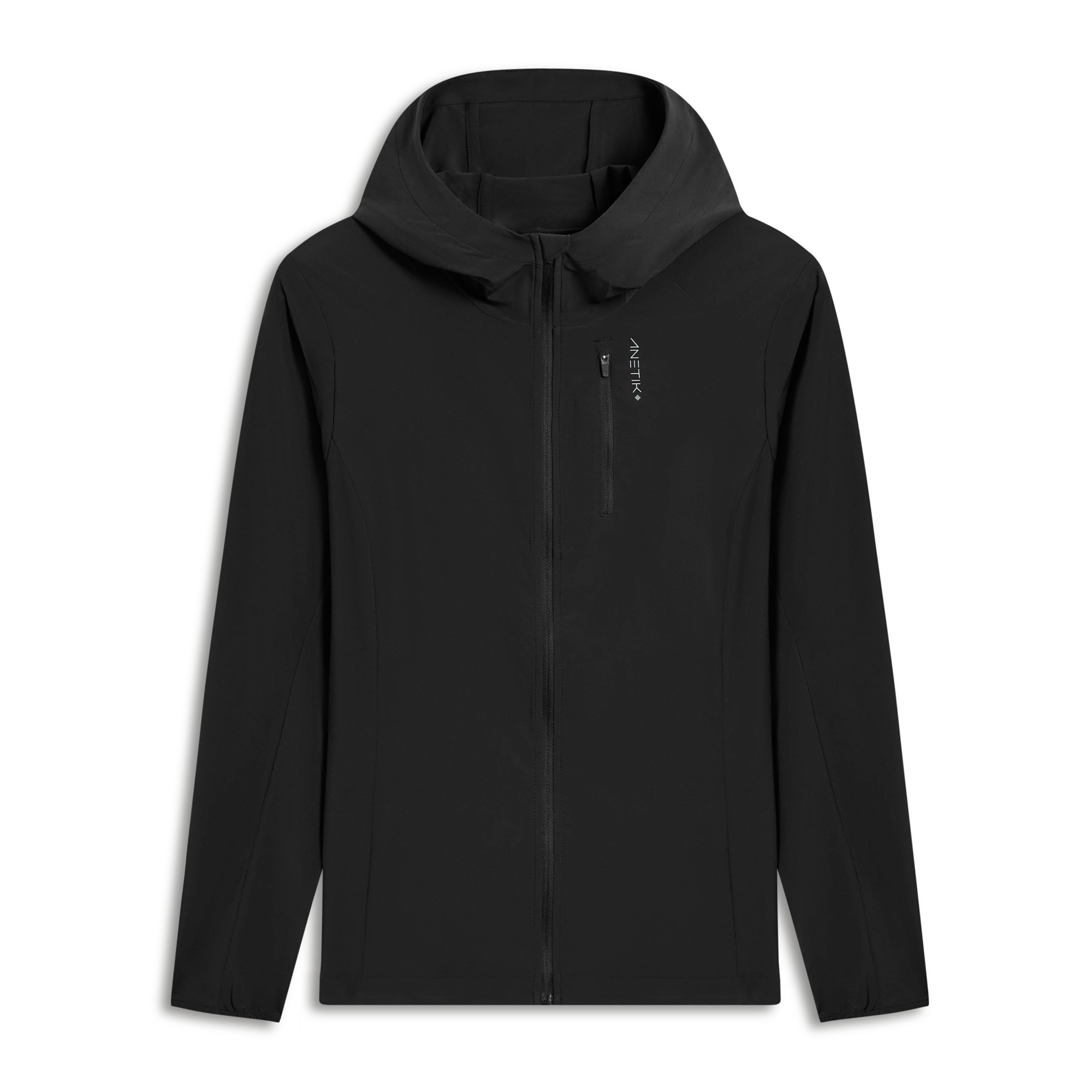
SHOP THE KIT



When everything goes sideways in your world, what does "comfort in the chaos" actually look like for you?
Being comfortable in the chaos means focusing on what I can control and staying present. When things start going wrong, I take a deep breath, assess the situation, and focus on the next step instead of the entire problem. Panic never helps; clear decisions do.
What's the gnarliest day you've ever had in your element, and how did it change the way you operate now?
Climbing Fitz Roy in Patagonia in high winds, snow, and freezing temperatures was one of the toughest days of my life. Staying focused on the present, taking one step at a time, and maintaining a positive mindset kept me alive. That experience taught me that attitude is just as important as skill when things get serious.
What do you chase more: the perfect result or the feeling you get getting there—and why?
I chase goals, but it’s the journey that makes me grow. The lessons, challenges, failures, and experiences along the way shape who I am. The result is simply a consequence of the work and growth that happen during the process.
What's one non‑negotiable ritual or mindset you rely on before you step into high‑pressure conditions?
Positive self-talk. I remind myself to keep my head up, trust my abilities, and focus on what I can do. There’s no room for self-doubt when I’m stepping into high-pressure situations.
What's a small thing that instantly flips your switch—pet peeve, superstition, or ridiculous habit your crew loves to clown you for?
Before committing to something difficult, I often think about the people I’ve loved and lost. I carry them with me in the mountains and in life. It gives me strength, perspective, and a sense of protection when I need it most.
Describe a climb or route where you felt the margin for error disappear. What decisions did you make in that window that still stick with you?
During my ascent of Fitz Roy in Patagonia, strong winds, snow, and freezing temperatures left no room for mistakes. Instead of focusing on the summit, I focused on the next safe step. That experience taught me to stay present and make decisions based on reality, not ego.
What’s more stressful for you: pushing your own limit or managing someone else right at theirs?
Managing someone else at their limit is more stressful. As a guide, I feel responsible not only for their safety but also for helping them reach their goals and have fun.
When fear shows up mid-pitch, what’s your exact process to put it in the back seat and keep moving?
I acknowledge it first. Then I focus on my breathing, the next sequence, and the next move. Fear is information, not a stop sign.
What’s one lesson the wall taught you that carries over into every other part of your life?
You don't need to see the entire path to move forward. Big goals are achieved one move, one decision, and one day at a time.
What’s the most absurd or funny thing that’s happened on a route—bad beta, route name, partner moment—that broke the tension?
I once watched a climbing partner completely lose his mind trying to solve a sequence, only to discover he was off route the entire time. We all laughed, and it was a great reminder not to lose our minds when chaos shows up. Clean your mind and laugh.