






When temperatures rise, and sweat starts pouring, the gear you wear makes all the difference. The right fabrics don't just look sharp, they actively manage sweat so your body can keep doing its job. That's where moisture-wicking fabric comes in.
These textiles are designed to keep you dry, regulate body temperature, and eliminate the miserable cling that comes from soaked clothing. We'll break down the science behind moisture management, what actually separates good performance fabric from marketing copy, and why the construction details most brands skip over are the ones that matter most out there.
The Hard Truth About Warm-Weather Clothing: Cotton Is Working Against You
Sweating is your body's natural cooling system, but its effectiveness depends entirely on evaporation. Cotton can feel comfortable early in the day, but loses its edge fast in real heat. It holds moisture and slows evaporation. That means on a hot day, you're essentially wearing a damp sponge. Overheating, skin irritation, chafing, and post-activity chills, all of it traces back to fabric that's working against you instead of with you.
Moisture-wicking clothing solves this by moving sweat away from the skin and helping it evaporate fast. Here's what that actually means on a hard day out:
- Faster evaporation keeps skin dry and your cooling system running efficiently
- Temperature regulation helps you stay comfortable even in hot, humid conditions
- Less friction means less chafing where straps, packs, and seams meet skin
- Clothes stay lighter, no soaked fabric weighing you down mid-activity
- Fewer sweat marks and a fresher feel from the first hour to the last
The difference shows up around hour two or three, not when you're fresh out of the truck, but when the day is actually hard. That's when fabric choice stops being a preference and starts being the reason you stayed out or packed it in early.
The Science: How Wicking Actually Works
Moisture-wicking fabrics use capillary action to draw moisture through fibers and spread it across the fabric's outer surface, where it can evaporate quickly. The key is hydrophobic materials, which repel water rather than absorbing it, pulling sweat outward and off the skin instead of letting it pool.
Performance measures that actually matter: drying time, wicking rate, and fabric weight. Independent standards like AATCC 79 and 195 test absorption and drying rates. ASTM E96 and ISO 11092 measure breathability and comfort. When a brand cites a certified rating, those are the tests behind it.
One thing worth knowing: the method matters as much as the marketing. Some brands chemically treat fabrics to create temporary wicking properties; these washes typically last around 10 washes before the effect degrades and washes off onto your skin. ANETIK builds the wicking and cooling performance directly into the fabric's knit structure and fiber construction. No chemical additives. No shelf life on the performance. What you buy on day one is what you've got on day 500.
Materials: What You're Actually Choosing Between
Not all performance fabrics perform equally. Here's the honest breakdown:
|
Material |
Pros |
Cons |
Best Use |
|
Polyester |
Excellent wicking, durable, fast-drying |
Can retain odor over time |
Running, fishing, high-output activities |
|
Nylon |
Strong, smooth, great in blends |
Slightly slower to dry than polyester |
Fishing, hiking, technical use |
|
Merino Wool |
Naturally odor-resistant, adaptive warmth |
Slower to dry, higher cost |
Travel, cool mornings, mixed conditions |
|
Blends |
Balanced performance across categories |
Varies by construction quality |
Golf, daily wear, versatile use |
For hot-weather performance, polyester and high-quality blends are doing the most work. Merino earns its place in cooler, mixed conditions where odor control matters more than drying speed.
The Details the Hangtag Doesn't Mention
Material choice is just the starting point. The construction details are where performance gear separates itself from gear that just looks like performance gear.
Look for these in any serious piece:
- Microdenier yarns: finer fibers create more surface area, which means faster, more efficient wicking across the fabric
- Mesh panels in high-heat zones: targeted ventilation where your body generates the most heat
- Smooth seams and gussets: less friction, more range of motion, fewer hot spots
- UPF integration: protection built into the weave, not sprayed on
- Durable construction: performance that holds up through real use, not just lab conditions
ANETIK's VINT Cooling Technology is a good example of construction-level thinking: the knit structure is engineered to let body heat move out and external airflow cycle in simultaneously, driving evaporative cooling directly on the skin. It's not a coating. It's how the fabric is built.
 Wicking vs. Quick-Dry vs. Breathable: They're Not the Same Thing
These terms get used interchangeably, and they shouldn't.
- Moisture-wicking moves sweat away from the skin
- Quick-dry means the fabric evaporates that moisture fast once it's spread
- Breathable allows airflow through the fabric to aid temperature regulation
- Waterproof-breathable repels external water while still letting sweat escape
The best hot-weather gear combines all of these. For reference:
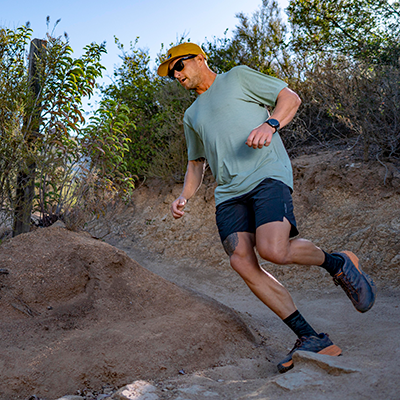
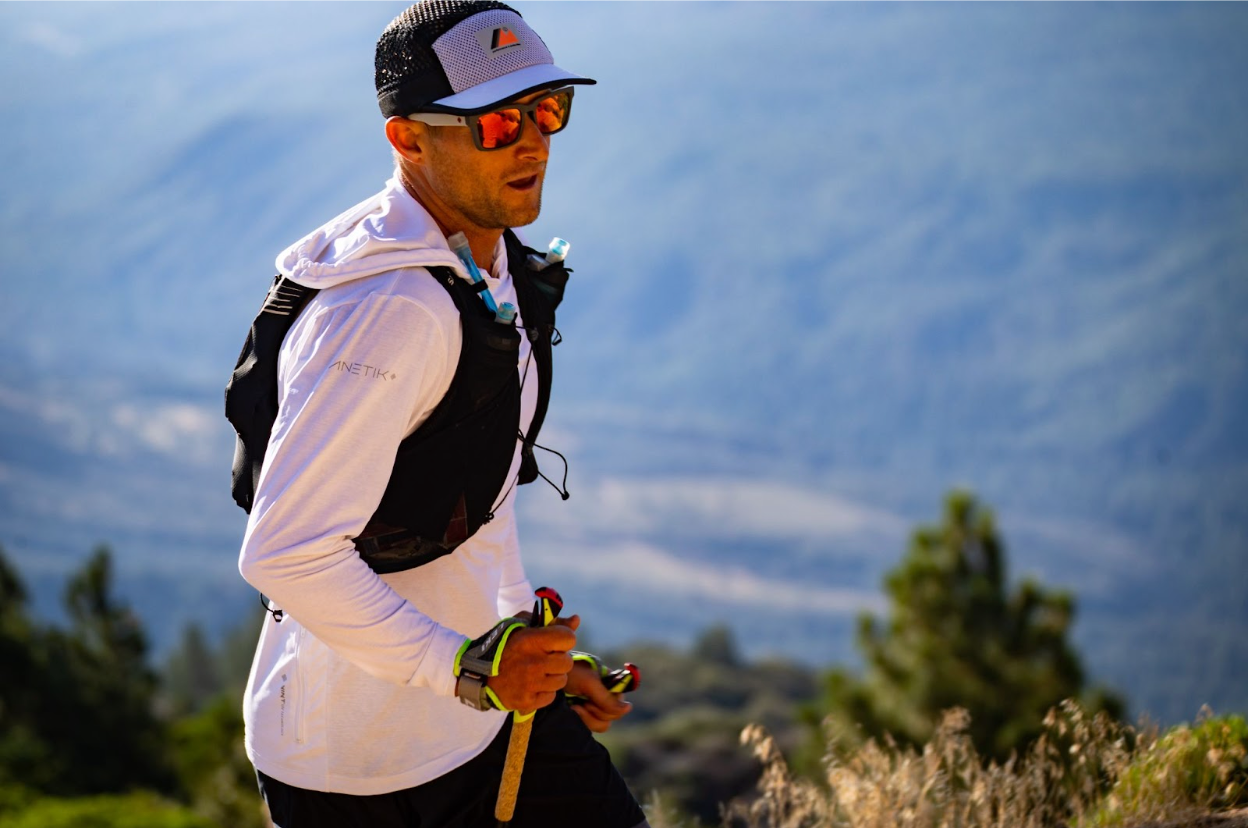
- Running in dry heat: moisture-wicking + quick-dry
- Golf: breathable + sun-protective outer layer
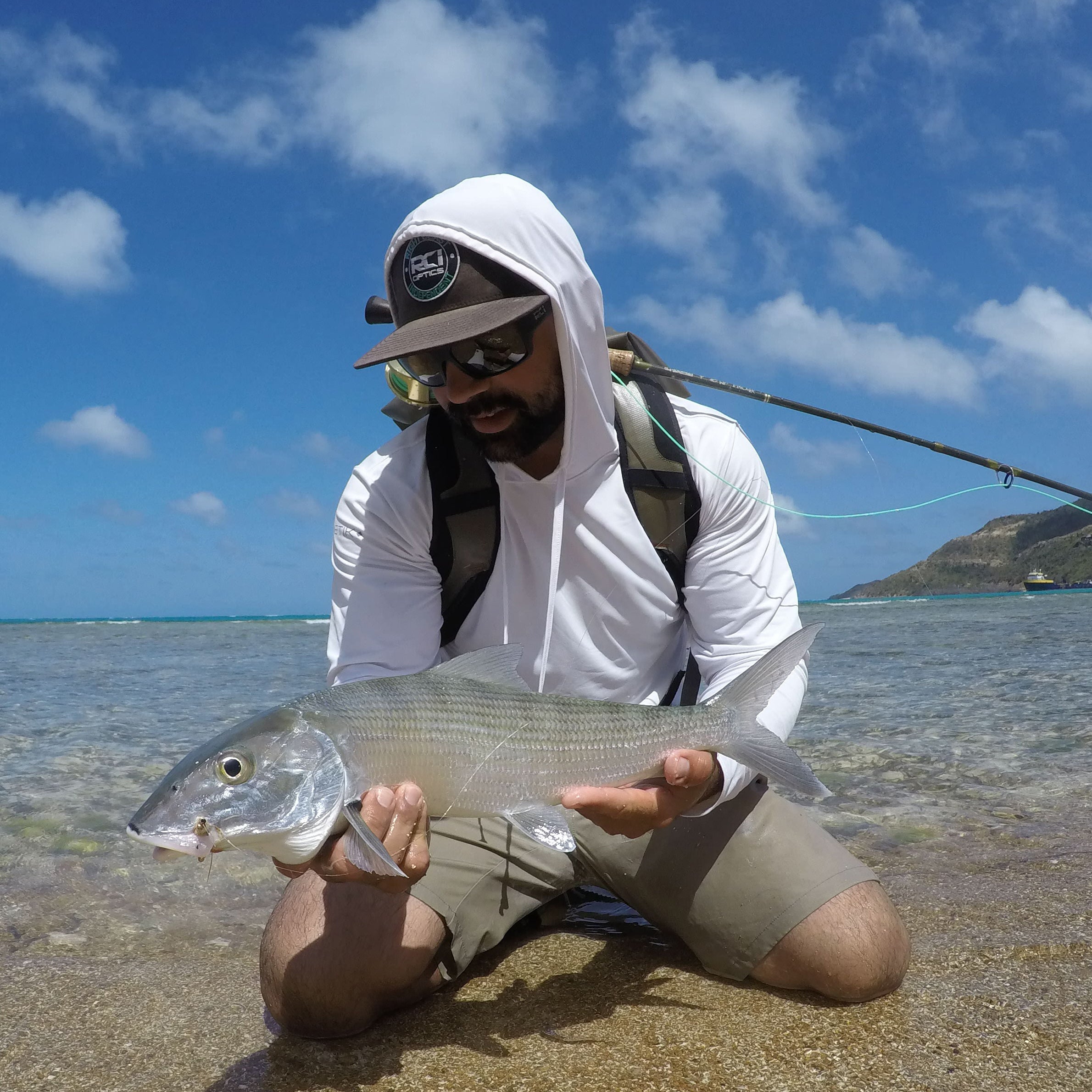
- Fishing/surf: moisture-wicking + UPF + fast drain
What to Look for When You Shop
When you're shopping for performance gear, the checklist is simple: fit, fabric weight, construction, and durability. A close fit ensures the fabric stays in contact with skin to wick effectively. Lightweight materials are essential in hot, humid conditions. Modular accessories extend your coverage without adding bulk.
"These shirts have performed excellent in hot weather. It's a game changer. Everyone who I have shared this shirt with has gone to it exclusively. Do yourself a solid and give it a try, you won't regret it." — Mark, California ⭐⭐⭐⭐⭐
That's not a lab result. That's someone who spent real time in real heat and came back to tell people about it.
Real-World Setups by Sport
Moisture-wicking apparel adapts differently depending on what you're doing. Here's how to think about building a kit:
- Running: Ultralight hoody + moisture-wicking shorts: keep it minimal, maximize airflow
- Golf: Performance polo + sun hood: breathable coverage from tee to green
- Fishing/Surf: Long-sleeve hood + shade accessories: full UPF coverage, built to get wet and dry fast
Care and Longevity: Keep the Wicking Working
Performance fabric is only as good as how you take care of it. The biggest mistake people make is reaching for fabric softener; it leaves a waxy residue that clogs the micro-channels responsible for wicking and can cut performance significantly. For ANETIK gear specifically:
- Machine wash cold on a gentle cycle
- Use mild, non-bleach laundry detergent
- No fabric softeners: they block the wicking channels built into the fabric
- Hang dry inside-out in the shade; the fabric dries fast on its own anyway
- Do not tumble dry on high heat
- Keep away from Velcro and rough textures during washing
- Do not iron or dry clean
ANETIK's sun protection and cooling performance are built into the fabric structure itself, not a chemical wash that degrades over time. That means proper care keeps it performing, not restoring it.
Why ANETIK, And Not Just Any Performance Brand
When fabric does its job, it fades into the background. The measure of a good performance piece isn't what it adds to the experience; it's what it removes from the mental checklist.
A lot of brands are building performance apparel right now. The difference with ANETIK is where the decisions get made. This gear was developed by outdoor athletes through real-world testing in actual heat, not optimized for a spec sheet. VINT Cooling Technology, PrimoLite® fabric, 4-way stretch, UPF built into the weave; these aren't buzzwords pulled from a catalog. Their construction choices were made because the people building the gear had sweated through bad gear enough times to know exactly what they were trying to fix.
Here's the current lineup built for hot-weather performance:
- Low Pro Tech Hoody: Ultralight, moisture-wicking material with engineered airflow
- Ultraguide Hooded L/S: Long-sleeve outer layer with UPF protection and moisture-wicking technology
- Flight Tech L/S: Breathable moisture-wicking apparel designed for high-intensity activities
- Rise Active Short: Quick-dry, stretch, and moisture-wicking clothing for training
- Roam Tech Pant: Lightweight, durable, and built with moisture-wicking fibers
- Mission Shade Accessories: Modular sleeves, masks, and socks that wick moisture and repel water
Or, just shop ANETIK's full hot-weather lineup and build a kit that's ready for real conditions.
FAQs
What does moisture wicking mean? It describes fabric that uses capillary action to pull sweat away from the skin and spread it across the outer surface where it evaporates quickly.
Is wicking the same as quick-dry? Not exactly. Wicking moves moisture away from skin. Quick-dry is how fast that moisture evaporates once it's been spread. The best gear does both.
Do wicking finishes wash out? Chemically treated fabrics can lose efficiency over time; most last around 10 washes. ANETIK builds wicking performance into the fiber and knit structure itself, so there's no wash-out timeline.
Which fabric has the best moisture-wicking properties? Polyester and high-quality synthetic blends lead the field for hot-weather performance. Merino wool is excellent for odor resistance and cooler conditions.
How do I wash moisture-wicking clothes? For ANETIK gear: machine wash cold on a gentle cycle with a mild, non-bleach detergent. Skip the fabric softener — it clogs the wicking channels. Hang dry inside-out in the shade and avoid high heat, ironing, or dry cleaning.
Does merino wool or polyester dry faster? Polyester dries significantly faster. Merino earns its place in cooler, mixed conditions where odor control outweighs drying speed.
Can moisture-wicking help reduce odor? Yes, by keeping fabric dry and reducing the damp environment bacteria thrive in. ANETIK's approach avoids chemical antimicrobial treatments, relying on fabric construction and fast-drying performance instead.

Leave a comment
This site is protected by hCaptcha and the hCaptcha Privacy Policy and Terms of Service apply.