





You notice it before you even leave the driveway. The shirt you grabbed is already sticking. It's 8 am, the sun hasn't even hit full stride yet, and you're already uncomfortable. That's the thing about summer gear: you don't think about it until it's failing you.
Here's the hard truth your wardrobe won't tell you: most summer clothing isn't actually built for summer. It's built to look like it is. There's a difference, and once you feel it, you can't unfeel it.
The good news? Building the best summer wardrobe for hot climates doesn't take a full closet. You need about twelve pieces, chosen right, and a clearer idea of what actually matters when the heat is real.
Why What You Wear Actually Matters in the Heat
Dressing well in hot weather is about more than style; it's about health, performance, and staying functional when the temperature climbs. When your body overheats, it works harder to regulate temperature, which leads to fatigue, dehydration, and reduced focus. The right clothing helps prevent all of that by encouraging sweat evaporation, providing shade, and cutting UV exposure before it compounds.
A thoughtfully built wardrobe also makes daily life simpler. Instead of scrambling for something that almost works, a capsule designed for heat means you always have something ready. The benefits:
- Better health: prevents overheating and supports hydration balance
- Greater comfort: promotes airflow and keeps sweat under control
- Efficiency: getting dressed stops being a decision
- Confidence: you look put-together and feel like it too
None of this requires spending more or owning more. It requires making better choices about what actually earns a spot in your rotation.
Fabric Science Made Simple
Certain fabrics perform far better than others when the heat is real:
- Linen: open weave, breathable, dries quickly; ideal for humid conditions
- Lightweight cotton: natural fibers like cotton are airy at rest but can slow heat loss once saturated.
- Technical synthetics: engineered for quick drying and moisture wicking; look for mesh panels or vent zones
- Rayon/lyocell: smooth and lightweight, though they can cling in humidity
- Ultralight merino: odor-resistant and temperature-regulating; earns its place in travel kits
Construction matters as much as fabric. Shirts built with mesh panels, laser perforations, or underarm vents allow active airflow and sweat evaporation, not just passive breathability, but actual air moving through the garment while you move. The fabric choice gets you halfway there. The construction gets you the rest of the way.
Fit, Color, and Coverage
A relaxed fit allows airflow and keeps fabric from sticking. Boxy tops, straight-leg pants, and A-line cuts all work. Light colors reflect sunlight and run cooler; darker shades absorb heat and show it.
Coverage is the most misunderstood part of dressing for heat. The instinct is to wear less. That instinct is wrong.
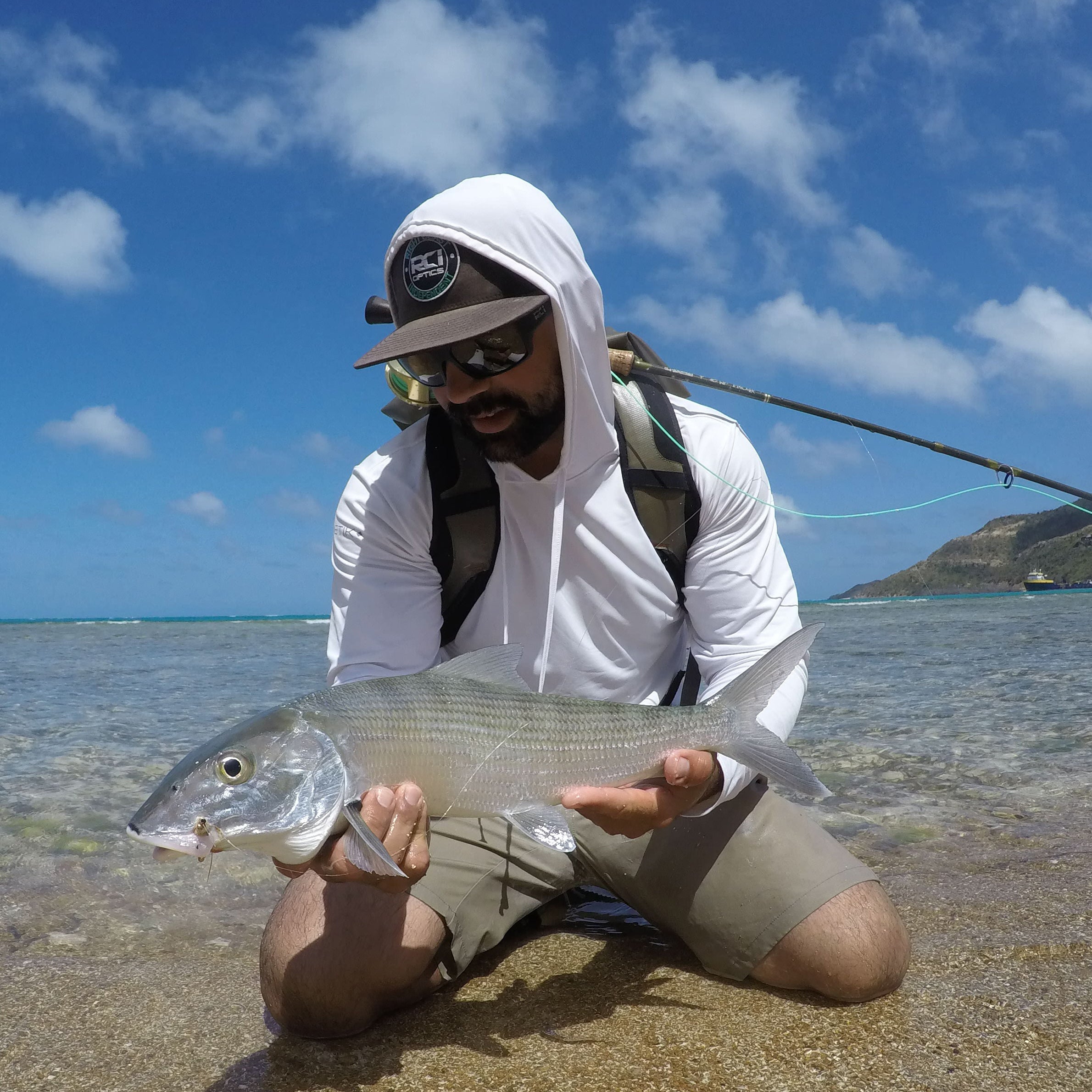
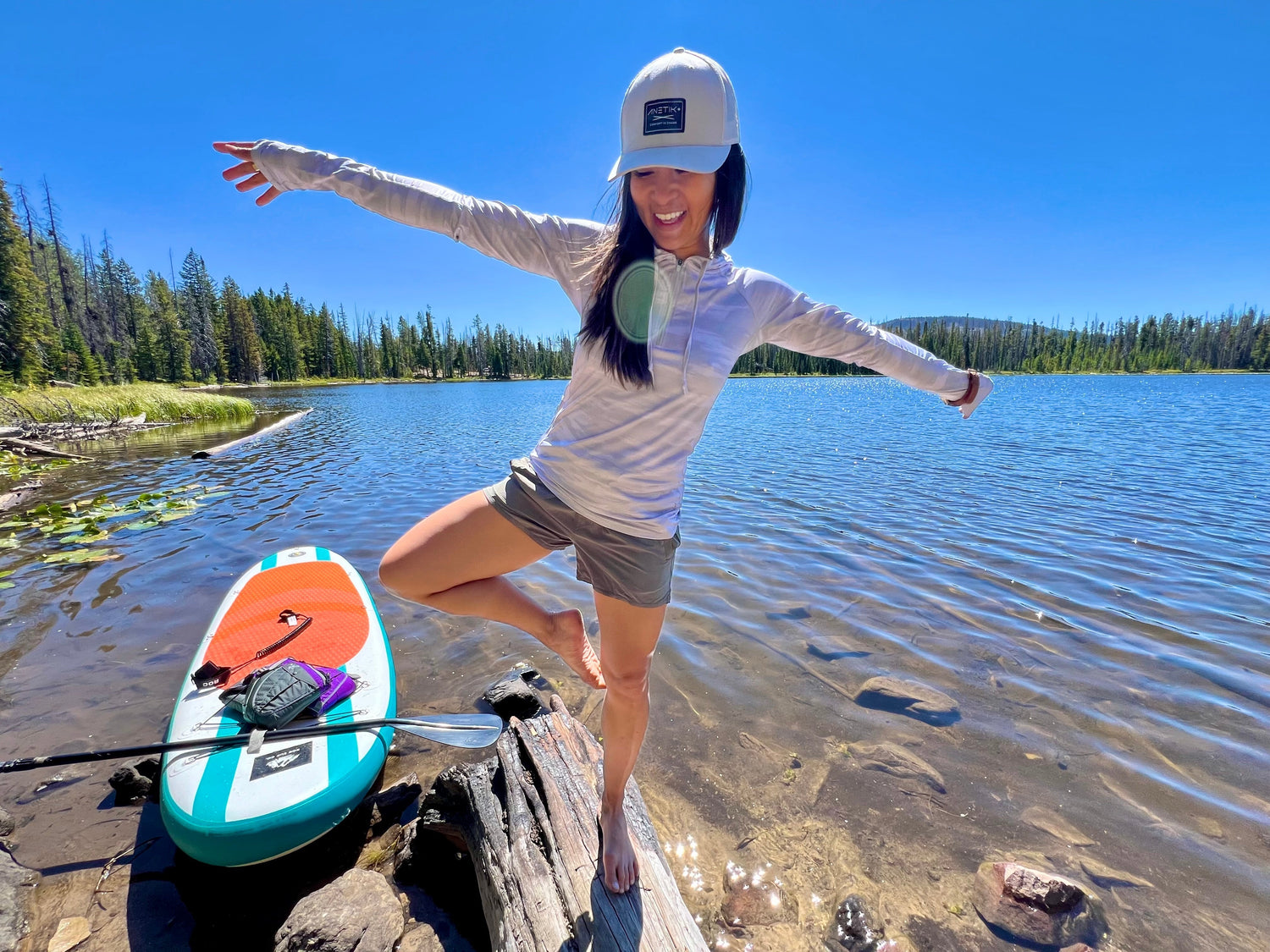
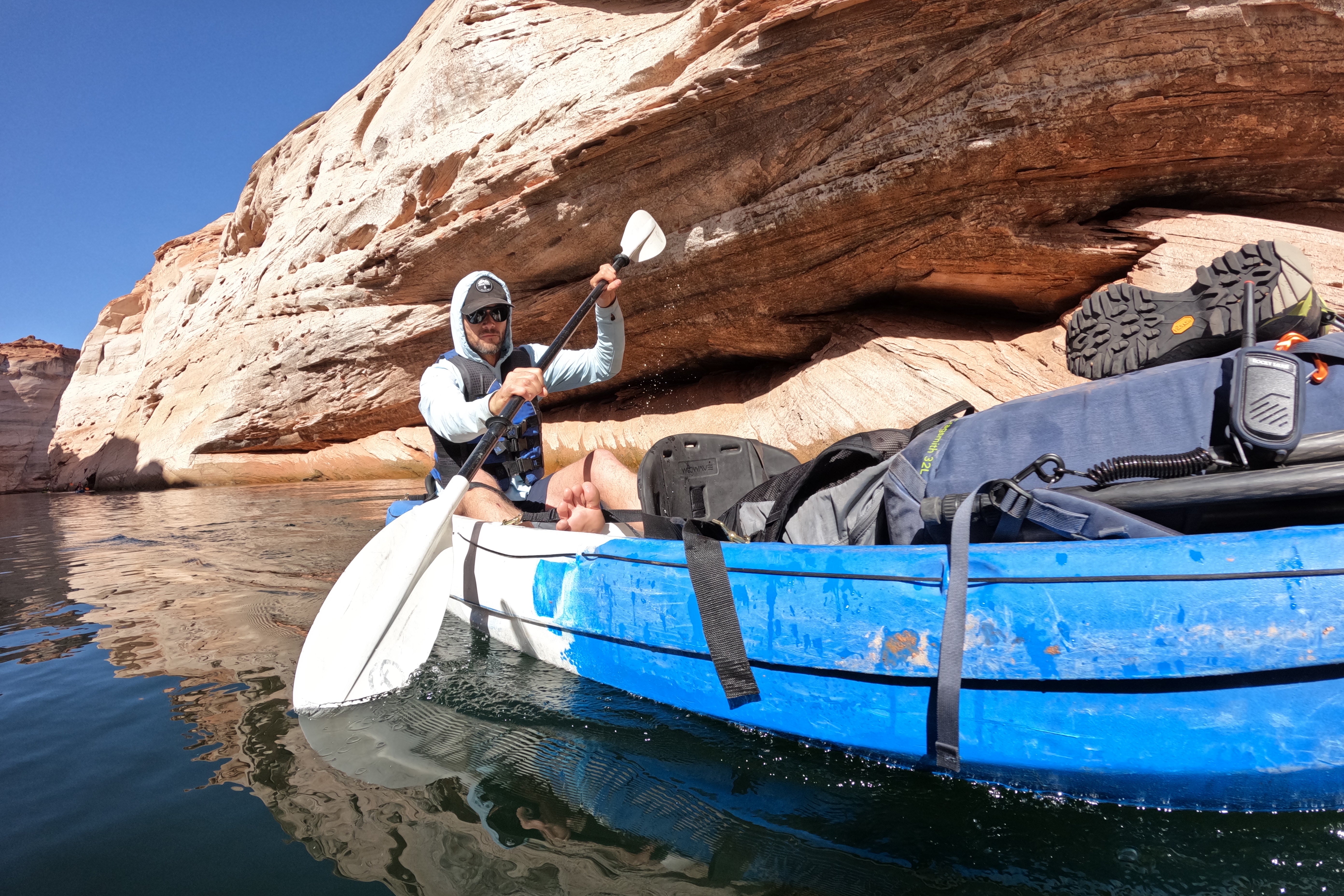
Ultralight UPF-rated long sleeves, hoodies, and wide-brim hats often feel more comfortable than bare skin under direct sun. Protection for the head, neck, and body reduces overheating risk and cuts the UV exposure that sunscreen alone can't keep up with during a full day out.
Hot Climates Aren't All the Same
Every hot environment has its own demands. Here's how to think about it:
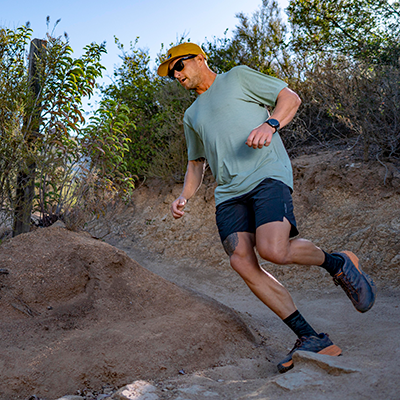
- Humid heat: loose linen, vented tops, quick-drying shorts; anything that moves air and dries fast
- Dry heat: long breathable sleeves and UPF hoodies; shade matters more than ventilation when there's no moisture to evaporate
- Coastal sun: UPF hoodies and accessories that account for UV reflecting off water, which compounds exposure fast
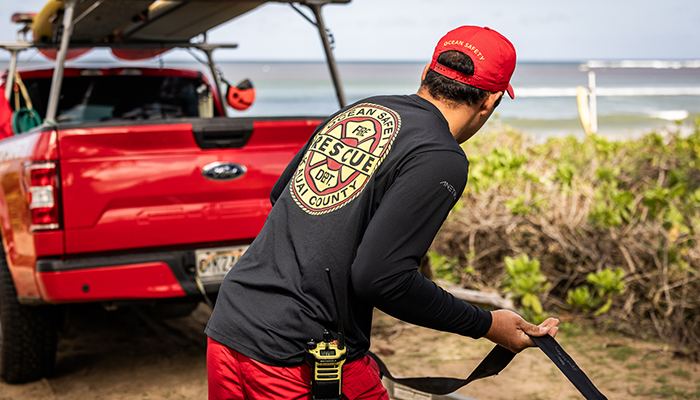
- Urban heat: breathable button-ups and technical tees that can move from pavement to a meeting without looking like you just ran one
The wardrobe that works in Phoenix is not the wardrobe that works in Miami. Getting specific about your climate is the first step toward gear that actually solves the problem.
A 12-Piece Capsule That Works
You don't need a full wardrobe to beat the heat. You need the right twelve pieces.
|
Category |
Pieces |
|
Tops |
2 vented UPF hoodies, 1 linen button-up, 1 technical tee, 1 merino travel tee |
|
Bottoms |
1 quick-drying short, 1 lightweight pant, 1 linen or cotton pull-on short |
|
Dresses/One-pieces |
1 tank dress, 1 kaftan or cover-up |
|
Layer |
1 ultralight wind/sun shell |
|
Accessory |
1 wide-brim hat or performance cap |
Every outfit above is built on pieces that do more than one thing. That's the point. When everything in your wardrobe earns its place, getting dressed in the heat stops feeling like a problem to solve.
Accessory Essentials
The right accessories do more work per ounce than almost anything else in your kit:
- Wide-brim hats or caps: shade for the head and face, where UV exposure hits hardest
- Sunglasses: reduce glare and protect long-term eye health
- Bandanas or neck gaiters: shade the neck and can be dampened for instant cooling
- Lightweight pack: carries sunscreen, a water bottle, and whatever the day throws at you
Most people underinvest here. A good hat and a neck gaiter weigh almost nothing and cover some of the most sun-exposed real estate on your body. Don't skip them.
Packing for Travel
Summer travel adds a layer of challenge: limited space, unpredictable conditions, and no room for pieces that only do one thing. A capsule wardrobe handles this well because the same twelve pieces cover sightseeing, outdoor activity, and evenings out without redundancy.
Roll instead of fold, it saves space and reduces wrinkles. Rely on quick-drying fabrics that can be washed in a sink and worn again the next day.
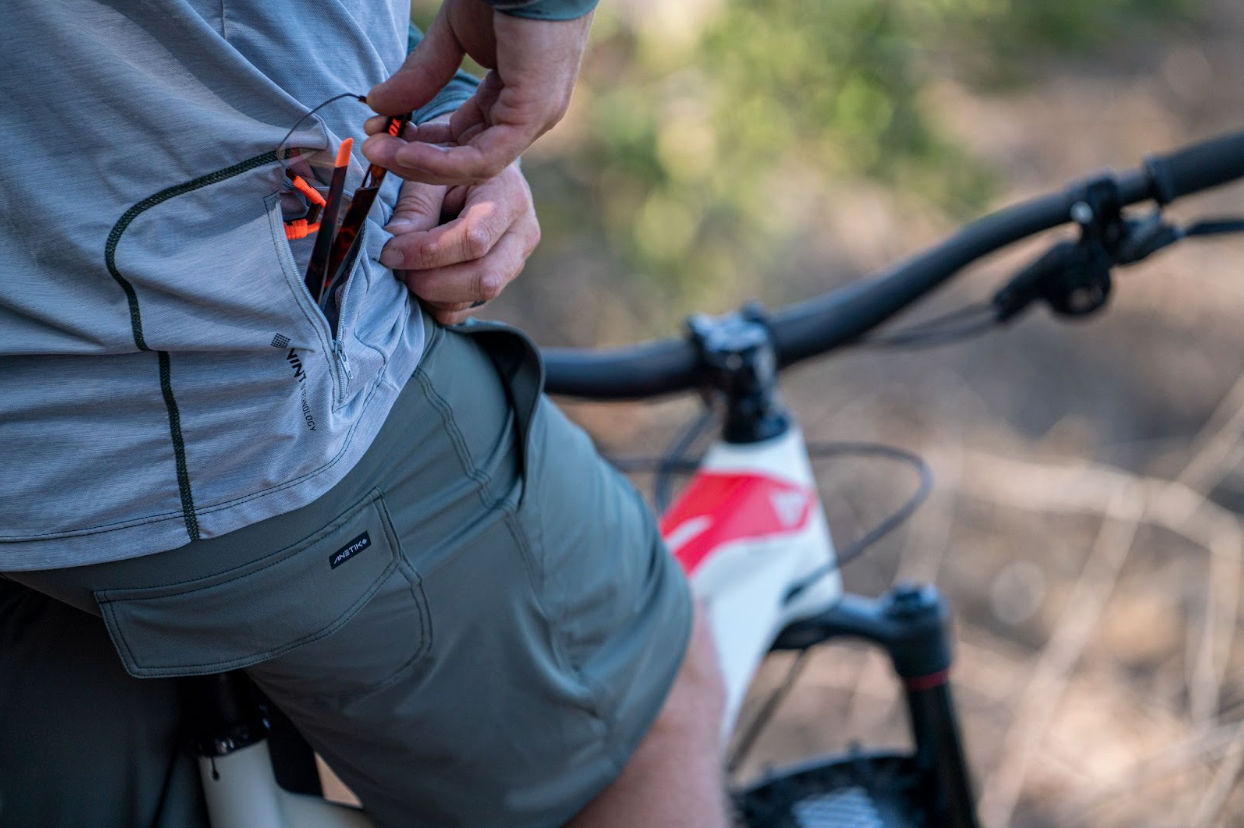
ANETIK's gear is worth calling out here specifically: the fabrics are thin, lightweight, and compact in a way that's hard to appreciate until you're packing. These aren't bulky performance pieces. They compress down small, stack efficiently, and take up a fraction of the drawer space of standard clothing, the kind of thin where one drawer holds more than you'd expect a full week's worth of kit to fit. Pack light, move fast, and stop checking bags because your gear is too bulky to roll up.
Always pack a hat, a bandana, and a water bottle. Neutral palettes make mixing easier; one or two accent pieces handle the rest.
Care and Longevity
A few habits that keep your summer wardrobe performing all season:
- Rinse after saltwater or chlorine: don't let it sit
- Skip fabric softeners: they clog moisture-wicking channels and quietly kill performance
- Gentle cycle or hand wash, cold water: preserves breathability and UPF integrity
- Line-dry in the shade: heat damages synthetic fibers over time; these fabrics dry fast anyway
Good gear is an investment. Treating it right means it performs on day 300 the same way it did on day one, which is the whole point of buying quality in the first place.
Why ANETIK Belongs in Your Summer Wardrobe
Not all performance clothing is the same, and ANETIK was built specifically for hot weather by people who actually work in it.
"If it doesn't fix a problem, we won't make it, and never will."
Every piece balances lightweight comfort with technical performance, moisture management, UPF protection, and engineered ventilation, so you're not choosing between function and feel. The details are there because the people who designed this gear have spent enough time in the heat to know exactly what goes wrong when they aren't.
Building the best summer wardrobe for hot climates is about quality over quantity. Choose breathable fabrics, versatile fits, and UPF-rated coverage. Twelve smart pieces, cared for properly, will outperform a closet full of gear that wasn't built for the conditions you're actually in.
Ready to upgrade your summer capsule? Explore ANETIK's lightweight, performance-driven collection.
FAQs
What is the best summer wardrobe for hot climates? A small capsule of light, breathable, UPF-rated pieces, vented tops, relaxed bottoms, a versatile layer, and a sun hat. Add a bandana, water bottle, and lightweight pack and you're ready for long, hot days.
Do long sleeves make sense in the heat? Yes. Ultralight UPF sleeves with mesh panels often feel cooler than exposed skin under strong sun. They reduce sunburn risk and help your body manage sweat and evaporation more efficiently.
Which fabrics work best in humidity? Linen and technical synthetics designed for quick drying and airflow. Anything that moves off the body and dries fast.
How many pieces do I need for a two-week hot-weather trip? Ten to twelve versatile pieces when you rotate and wash regularly. Quick-drying fabrics mean daily reuse without packing heavy.
Does UPF 50+ really matter over UPF 30? Both are protective. UPF 50+ blocks a slightly higher percentage of UV rays and earns its place during long days in direct sun. Pair either with a hat, bandana, and sunglasses for full coverage. UPF30 is typically much more breathable, lightweight and comfortable for all day wear. Sun protection doesn't matter if you're not wearing it.

Leave a comment
This site is protected by hCaptcha and the hCaptcha Privacy Policy and Terms of Service apply.